
Verification and Transparency: Learning from Project Coast
Introduction to Historical Notes, Issue #5 The fifth issue of the Historical Notes series was prepared by Professor Brian Rappert, Ms Lizeka Tandwa and Dr Chandré Gould. The South African Defence Force (SADF) established a top-secret chemical and biological weapon (CBW) programme code-named ‘Project Coast’ that operated between 1981 and 1995. Its primary aims were to develop a defensive capability for the SADF and weaponise chemical agents for crowd control, specifically during protests, and for the targeted assassinations of political activists in and outside of South Africa. The history and motives of this CBW programme, as far as it can …
“Biological weapons are banned; biological research is not”
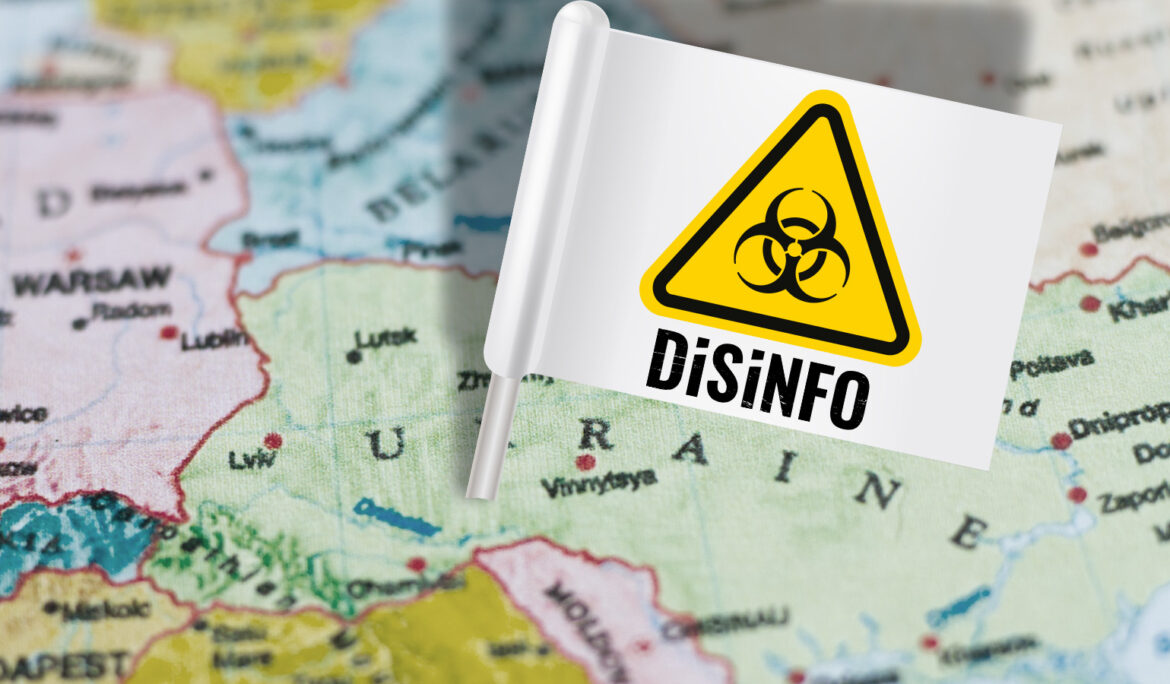
Amid the barrage of lies accompanying Russia’s war against Ukraine, the Kremlin’s disinformation narrative that Ukraine is carrying out research to develop biological weapons stands out as particularly insidious. Not only does it attempt to justify Russia’s brutal invasion, but also discredit legitimate biological and epidemiological research worldwide, at the risk to global public health. In an interview with EUvsDisinfo, Dr. Jean-Pascal Zanders, founder of The Trench and an independent expert on disarmament questions covering chemical and biological weapons, talks about the crucial differences between legitimate biological research and the development of biological weapons and why Russia is engaging in …
Staring at disarmament’s Rubik Cube: External consensus-building at the 9th BTWC Review Conference
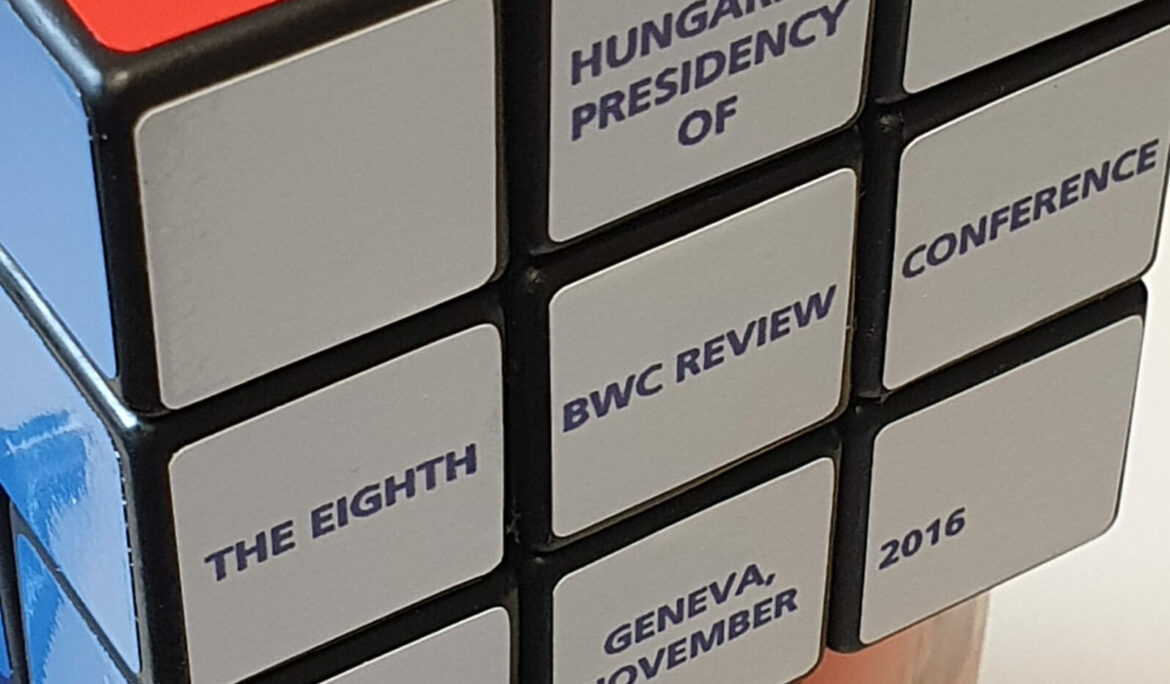
(Science and technology review under the BTWC, Part 3) Hungary presided over the 8th Review Conference of the Biological and Toxin Weapons Convention (BTWC) in 2016. On the first day, Ambassador György Molnár treated all delegations and other attendants to a Rubik Cube, not just because its inventor Ernö Rubik is a compatriot, but also because the participating states parties had a significant puzzle to solve. How to achieve a sufficiently relevant outcome so the convention could take a few small steps forward. A minimum expectation was an agreement on a next round of thematic intersessional Meetings of Experts (MX) …

‘Within the next 5 to 10 years, it would probably be possible…’
(Science and technology review under the BTWC, Part 1) The next series of Meetings of Experts (MX) of the Biological and Toxin Weapons Convention (BTWC) is due to take place between 30 August and 8 September, a year later than originally scheduled because of the COVID-19 pandemic. Of course, provided there is no fresh resurgence in the number of infections forcing fresh meeting and travel restrictions. If the MXs proceed as planned (albeit with reduced in-person attendance), the Meeting of States Parties (MSP) will likely convene before the end of the year. The pandemic has also pushed back the 9th …
Implementing BTWC Article VII: Some thoughts for the Meeting of Experts and the Review Conference
[Text of a pre-recorded video ahead of an international webinar on 12 November providing an opportunity for informal discussions on topics to be considered by the Meeting of Experts on Assistance, Response and Preparedness (MX4).] Excellencies, Ladies and Gentlemen, Colleagues, I am Dr Jean Pascal Zanders from Belgium and an independent disarmament researcher and consultant at The Trench. My focus is on the elimination and prevention of re-emergence of chemical and biological weapons. I have been regularly following meetings of the Biological and Toxin Weapons Convention (BTWC) since the Fourth Review Conference in 1996. I am honoured to introduce the …
Biological weapons: A surprise proposal from Kazakhstan worth exploring
This year the UN General Assembly (UNGA) celebrates the 75th time in session. However, the worldwide spread of the Severe Acute Respiratory Syndrome Coronavirus 2 (SARS-CoV-2) casts dark shadow over the anniversary with some of the major global players preferring to play geopolitics when nations should unite to combat a germ that knows no borders. Unsurprisingly, many heads of state or government, ministers and other dignitaries have reflected in their statements on the pandemic and the challenges ahead. Some introduced constructive suggestions to address the factors that led to the outbreak at the end of last year. Others put forward …
History of nerve agent assassinations
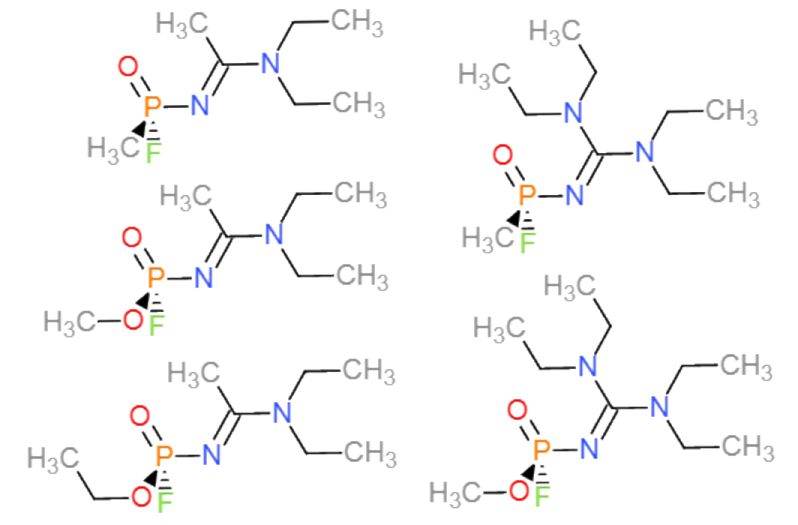
On 20 August, the Russian anti-corruption activist Alexei Navalny fell ill during a return flight to Moscow and was hospitalised in the Siberian town of Omsk after an emergency landing. Members of his travelling party immediately suspected poisoning, an impression hospital staff reinforced when they refused Navalny’s personal physician access to his medical records. Following his airlifting to Berlin for further examination and specialist treatment, the Charité hospital issued a statement on 24 August that preliminary findings indicated exposure to ‘a substance from the group of cholinesterase inhibitors’. Even though the hospital could then not name the specific poison used, …
A Middle East Zone Free from Non-conventional Weapons (4)
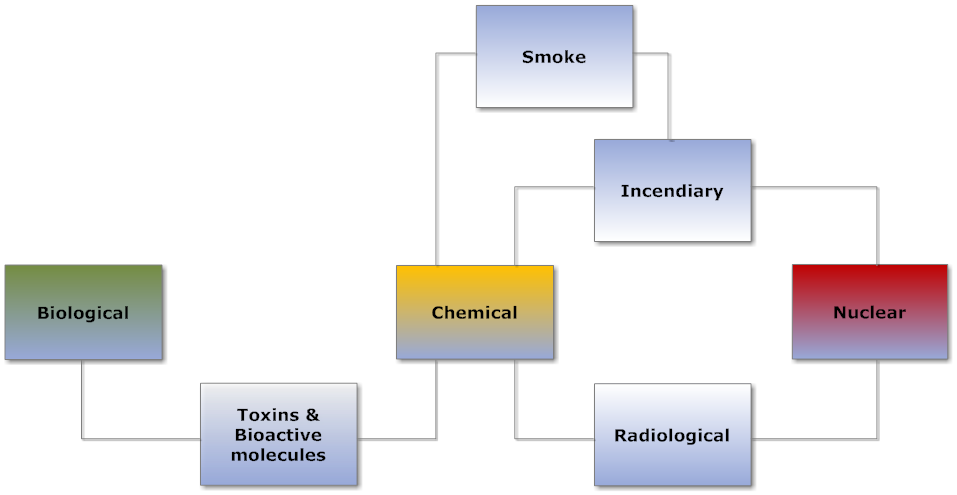
Part 4: Clear legal definitions at the core of the future treaty This article is the fourth in a series of blog postings exploring the opportunities and challenges facing a new series of conferences at the United Nations in New York to eliminate non-conventional arms – essentially nuclear weapons, and to a lesser extent chemical and biological weapons (CBW) – from the military arsenals in the Middle East. Why legal definitions matter By adopting Decision 73/546 on 22 December 2018, the UN General Assembly tasked the newly established conference with ‘elaborating a legally binding treaty establishing a Middle East …