
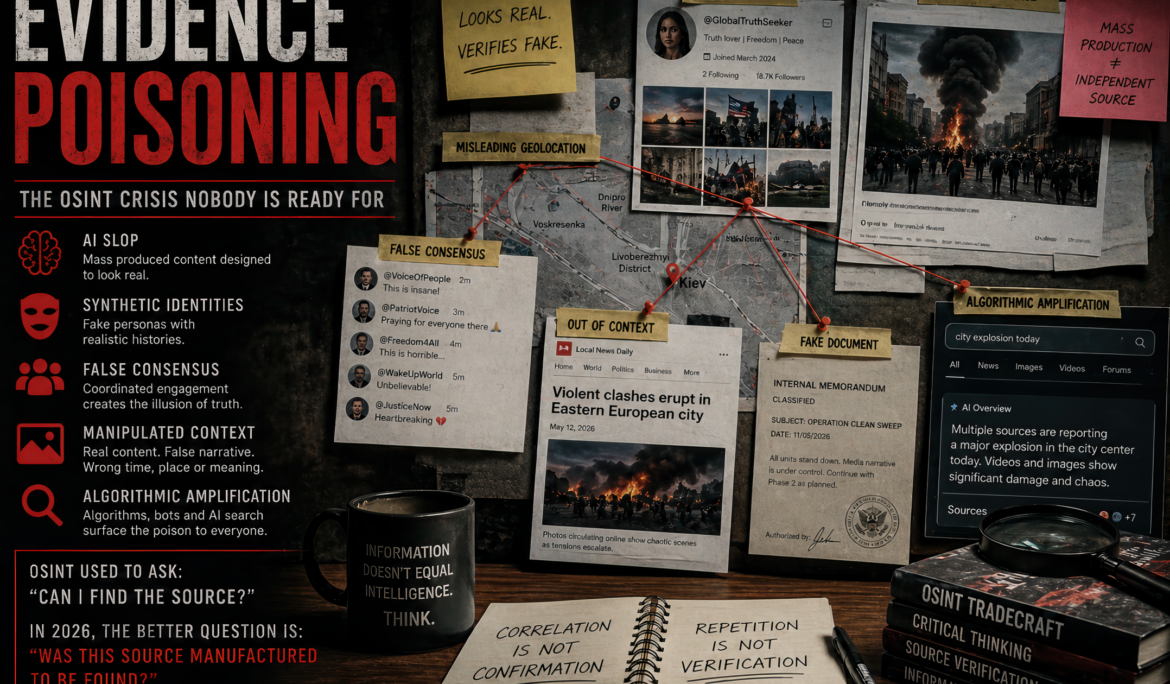
Evidence Poisoning: The OSINT Crisis Nobody Is Ready For
Over the past decade and a half, we have been confronted with chemical warfare, assassination operations involving nerve agents and lethal animal toxins, and accusations of illicit biological research activities, all indicative of serious breaches of the Chemical Weapons Convention (CWC) and the Biological and Toxin Weapons Convention (BTWC). The incidents were accompanied by information warfare, typically of the type in which one side claimed the allegations were fake and the other side argued their veracity. A characteristic of this information warfare is that the same antagonists – government outlets, organisations and institutions, individual scientists or academics, and motley groups …

Challenges to the BTWC and CWC and questions for the Pugwash CBW Working Group
The Pugwash Chemical and Biological Weapons Working Group (CBW WG) held its first virtual event on 3 October 2025. The primary objective was to gather feedback on potential topics for the WG’s development, thereby gaining a deeper understanding of the WG’s specific role in the current academic and civil society landscape. Registrants completed a small questionnaire covering both topics. Seventy-five persons from all continents, including the Middle East and North Africa, participated. Summary Jean Pascal Zanders and Lizeka Tandwa opened the meeting. Götz Neuneck, Chairperson of the Council, introduced Pugwash, its history, current activities and working methodologies. Richard Guthrie (Pugwash …
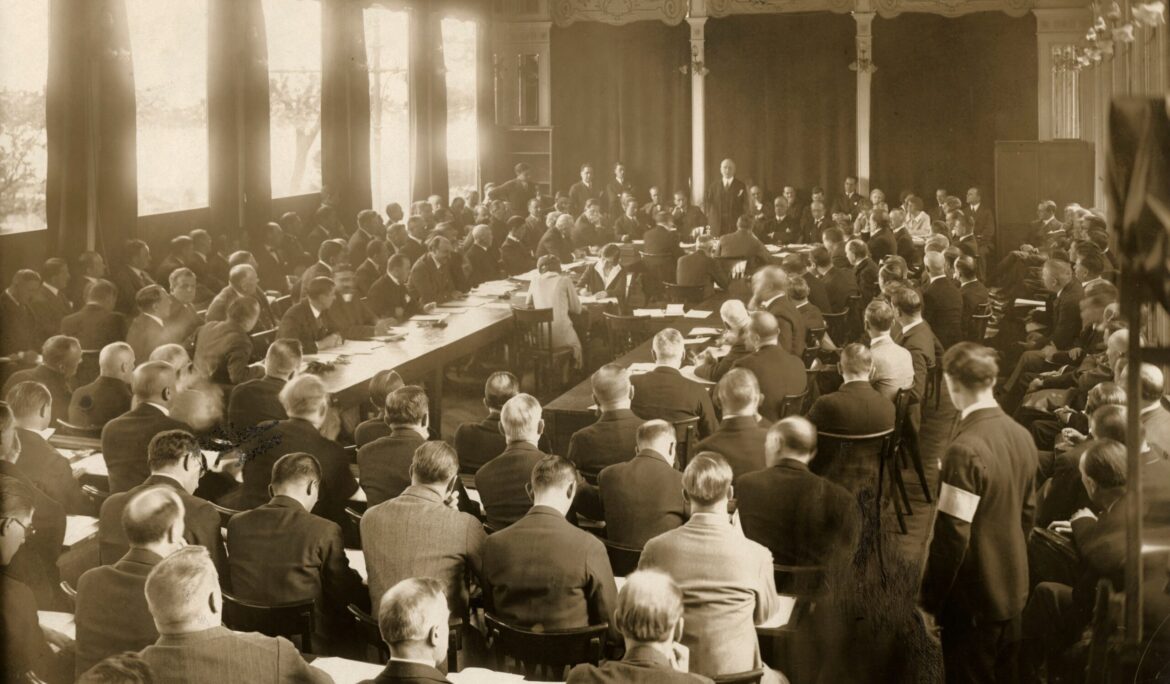
The 1925 Geneva Protocol: The League of Nations’ Only Arms Control Agreement
Historical Notes #6 (July 2025), 107pp. The origins of the Geneva Protocol and the history of its negotiation 100 years ago, including an analysis of why Poland insisted on inserting bacteriological weapons in the document. For download. On Wednesday, 17 June 1925, the Conference for the Supervision of the International Traffic in Arms successfully concluded six weeks of negotiations with three agreements. One of them was the Protocol for the Prohibition of the Use in War of Asphyxiating, Poisonous or Other Gases, and of Bacteriological Methods of Warfare. Of the forty-four participating delegations, twenty-six possessed plenipotentiary power to sign the …
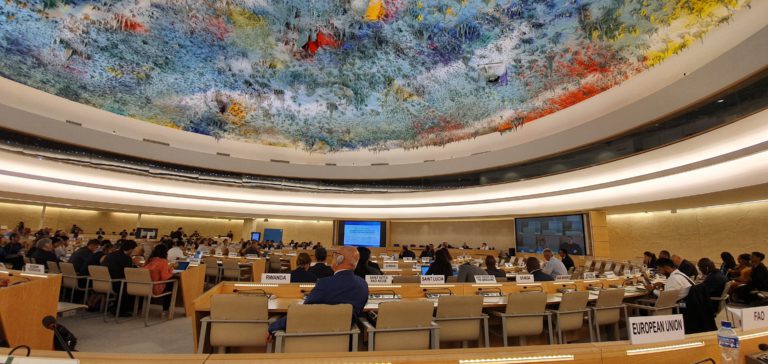
Relaunching the Pugwash CBW Working Group (Event)
Pugwash Conferences on Science and World Affairs Working Group on Chemical and Biological Weapons Relaunching the Pugwash CBW Working Group Date: Friday, 3 October 2025. Time: UTC 13:00 – 14:30 (15:00 – 16:30 CEST). Duration: 60 – 90 minutes Place: Zoom virtual meeting (Registration required) Agenda: Welcome & brief introduction, Jean Pascal Zanders and Lizeka Tandwa, CBW WG Co-coordinators Welcome/Introduction to Pugwash by Götz Neuneck, Chair of the Pugwash Council Introduction to the CBW WG and challenges in the CBW area Status of the CBW regime Biological and toxin weapons, Richard Guthrie Chemical weapons, Mina Rozei Discussion What unique …

In the long shadow of Halabja
A report from Pugwash Iraq’s first international conference Thirty-seven years ago, on 16 March 1988, Iraq’s military forces hit the Kurdish town of Halabja with artillery rockets and napalm bombs, followed by sustained bombing runs releasing chemical weapons. Between three and five thousand people perished, and many thousands more suffered life-altering injuries. Almost all civilians, an estimated three-quarters of them women and children. Genetic defects resulting from their exposure to mustard and nerve agents meant that even today, their offspring too have inherited these chromosomal anomalies, making them transgenerational victims of chemical warfare. To remember the massacre, Pugwash Iraq organised …

The weaponisation of fentanyl
This blog posting is an extract from The Drugs Do Work… [PDF] published in CBRNe World (January 2025). Fentanyl is a powerful analgesic belonging to the class of fully synthetic opioids. Its main application is in the pain management of cancer patients and people recovering from major surgery. Paul Janssen, a Belgian pharmacologist focussing his early laboratory research on antispasmodics, anaesthetics and other pain relief medication, initially synthesised fentanyl in 1959 derived from structure–activity relationship studies of pethidine, a member of the phenylpiperidine class of fully synthetic opioids. Thirty years before, German researchers had first prepared pethidine (also known as …

Confidence in disarmament: some insights from the treaties banning biological and chemical weapons
Confidence in disarmament: some insights from the treaties banning biological and chemical weapons (Video presentation, delivered in French on the occasion of the 10th anniversary of the Initiatives pour le désarmement nucléaire (IDN).) Hello everyone! I thank the organisers for inviting me to participate in this symposium to celebrate the 10th anniversary of the IDN. Congratulations! As you listen to my pre-recorded presentation, I am travelling from The Hague, where I attended the annual meeting of the States Parties to the Chemical Weapons Convention (CWC), to Geneva, where I will participate in two and a half weeks of meetings of …

Education for disarmament and non-proliferation
Building a culture of responsibility: education for disarmament and non-proliferation Journal of Strategic Trade Control, Special Issue, Vol. 2 (September 2024) I am honoured to have been invited to contribute to the Special Issue of the Journal of Strategic Trade Control (JoSTC) focussed on Training programs to counter current and emerging biological and chemical proliferation risks: themes, practices, and lessons learnt. Between January 2018 and December 2023, I was involved in the design, development and implementation of a master’s course on dual-use technology transfer control, which was implemented in Central Asia through the International Science and Technology Centre (ISTC) and …

Chloropicrin and its alleged use in the Ukrainian war (part 3)
The first instalment of this four-part blog series reviewed the allegations of Russian chemical weapon (CW) use in the Ukrainian war from its start in 2014 until the present. At the meeting of the Executive Council of the Organisation for the Prohibition of Chemical Weapons (OPCW) in March 2024, the Ukrainian delegate reported 1,060 incidents since the Russian invasion in February 2022. More recently, Ukraine claimed in a note verbale to the OPCW dated 13 June that it had recorded a total of 2,968 cases of Russian use of riot control agents (RCAs) between 15 February 2023 and 25 April …
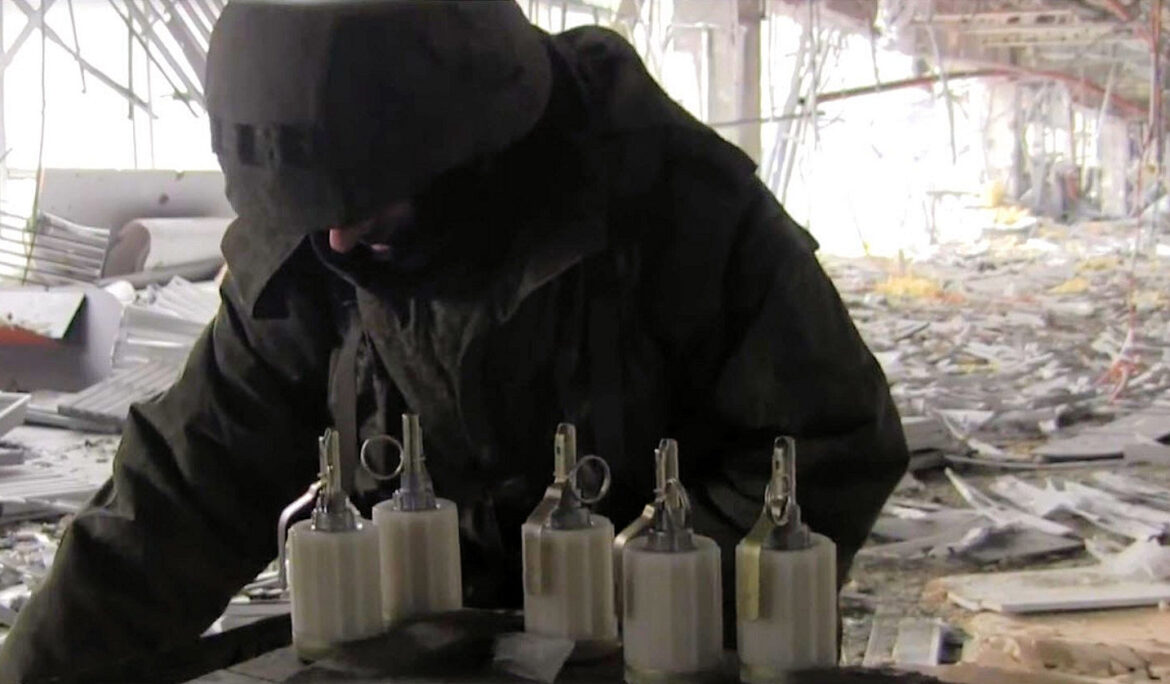
Chloropicrin and its alleged use in the Ukrainian war (Part 1)
On 1 May, the United States formally accused Russia of using ‘the chemical weapon chloropicrin against Ukrainian forces in violation of the Chemical Weapons Convention (CWC)’. It added: ‘We make this determination in addition to our assessment that Russia has used riot control agents as a method of warfare in Ukraine, also in violation of the CWC. The use of such chemicals is not an isolated incident and is probably driven by Russian forces’ desire to dislodge Ukrainian forces from fortified positions and achieve tactical gains on the battlefield.’ Allegations of chemical weapons (CW) use first appeared after the start …