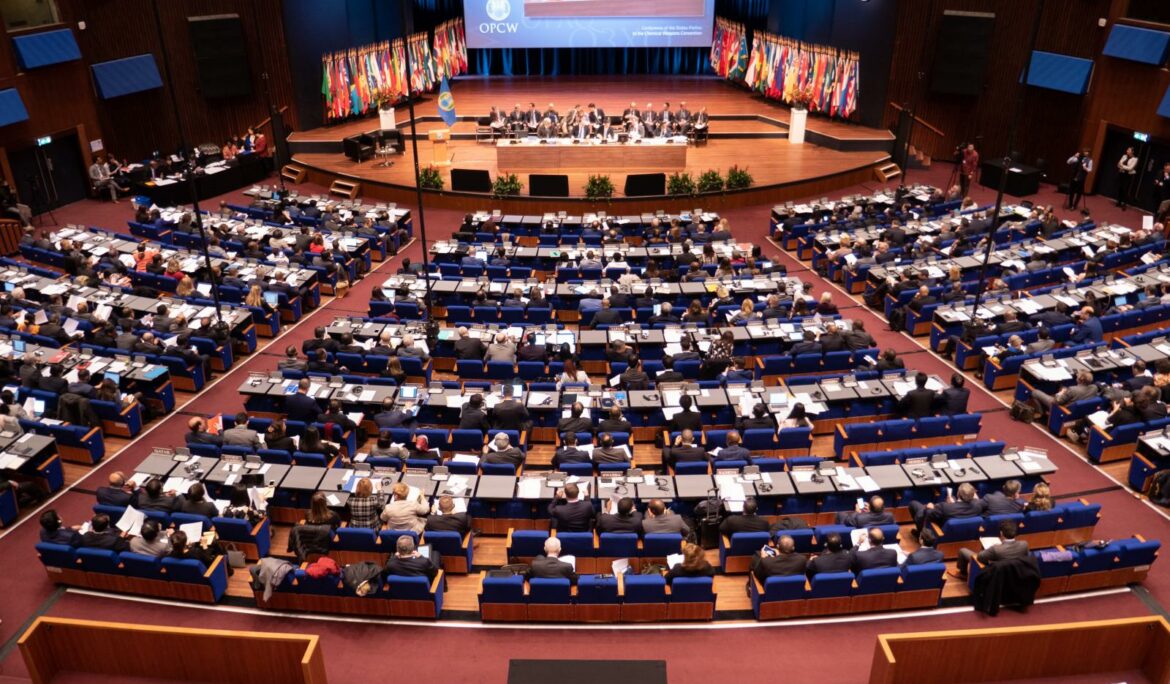
COVID-19 interferes with CWC and BTWC meeting schedules
COVID-19 is messing up the diplomatic disarmament and arms control agendas. On 27 March Ambassador Gustavo Zlauvinen from Argentina announced as President-Designate the postponement of the 10th Review Conference of the Nuclear Non-Proliferation Treaty (NPT). Initially scheduled for 27 April – 22 May 2020, it was to take place by April 2021. The deadline was moved up to August. However, because of the United Nation’s original schedule of meetings for 2021 combined with the many rescheduled meetings of this year, the only possible opening in the agenda was an impractical slot from 4 to 29 January. The pandemic’s resurgence in …

Webinar / Séminaire en ligne : Les armes chimiques et biologique : Une menace actuelle ?
It is webinar season! Les Interviews d’IDN La menace des armes chimiques et biologiques Jeudi 26 novembre à 18h30, IDN recevra Jean-Pascal Zanders, Chercheur et expert sur les armes chimiques et biologiques Sur le thème “Les armes chimiques et biologiques : Une menace actuelle ?” S’inscrire: https://cutt.ly/chigVcH 0 Links …
Implementing BTWC Article VII: Some thoughts for the Meeting of Experts and the Review Conference
[Text of a pre-recorded video ahead of an international webinar on 12 November providing an opportunity for informal discussions on topics to be considered by the Meeting of Experts on Assistance, Response and Preparedness (MX4).] Excellencies, Ladies and Gentlemen, Colleagues, I am Dr Jean Pascal Zanders from Belgium and an independent disarmament researcher and consultant at The Trench. My focus is on the elimination and prevention of re-emergence of chemical and biological weapons. I have been regularly following meetings of the Biological and Toxin Weapons Convention (BTWC) since the Fourth Review Conference in 1996. I am honoured to introduce the …
Increasing assurance under the BTWC through biorisk management standards
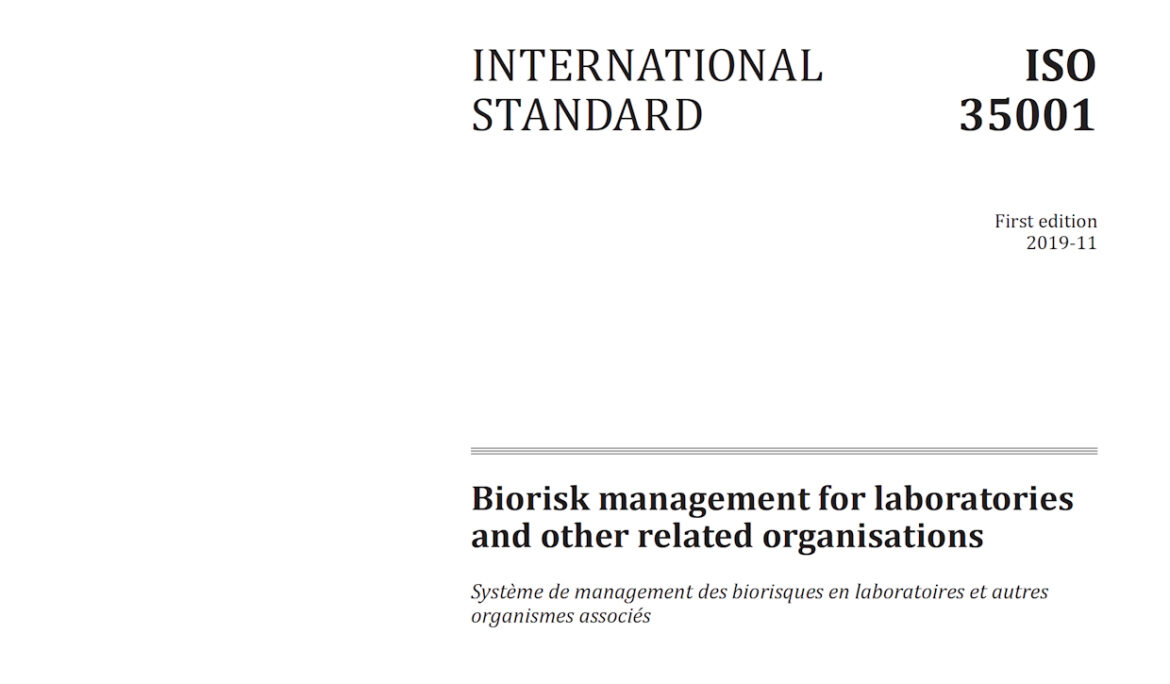
The final report of the 7th Review Conference of the Biological and Toxin Weapons Convention (BTWC) held in December 2011 contained a one-line subparagraph whose ambition came to fruition in December 2019. Under Article IV (on national implementation measures), paragraph 13 opened as follows: The Conference notes the value of national implementation measures, as appropriate, in accordance with the constitutional process of each State Party, to: (a) implement voluntary management standards on biosafety and biosecurity; That single line of new language in the final report was the outcome of a preparatory process that had begun in September 2009 and …
Biological weapons: A surprise proposal from Kazakhstan worth exploring
This year the UN General Assembly (UNGA) celebrates the 75th time in session. However, the worldwide spread of the Severe Acute Respiratory Syndrome Coronavirus 2 (SARS-CoV-2) casts dark shadow over the anniversary with some of the major global players preferring to play geopolitics when nations should unite to combat a germ that knows no borders. Unsurprisingly, many heads of state or government, ministers and other dignitaries have reflected in their statements on the pandemic and the challenges ahead. Some introduced constructive suggestions to address the factors that led to the outbreak at the end of last year. Others put forward …
COVID-19: A perfect storm foretold
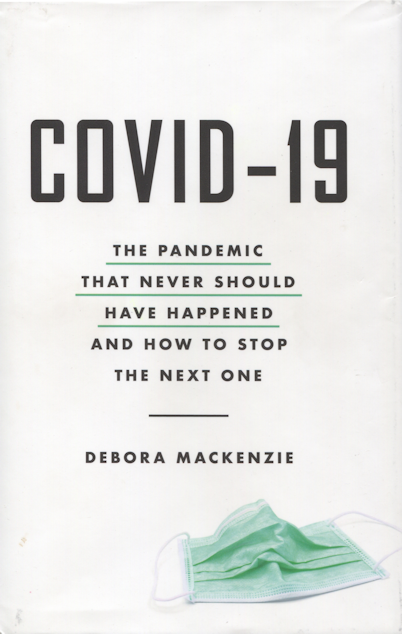
Book review: Debora MacKenzie, COVID-19: The Pandemic That Never Should Have Happened and How to Stop the Next One (New York: Hachette Books, 2020), 279p. The book opens with the quote from a poster seen at the first March for Science on 22 April 2017: “Every disaster movie starts with someone ignoring a scientist”. My immediate thought: well, scientists may be clever, but they just cannot express their thoughts in a register that politicians and opinion shapers might understand. Another reflection replaced it instantaneously, this time on politicians: they are so ideological that if their teachings tell them to …
JPPR – The 4 letters that shaped my career
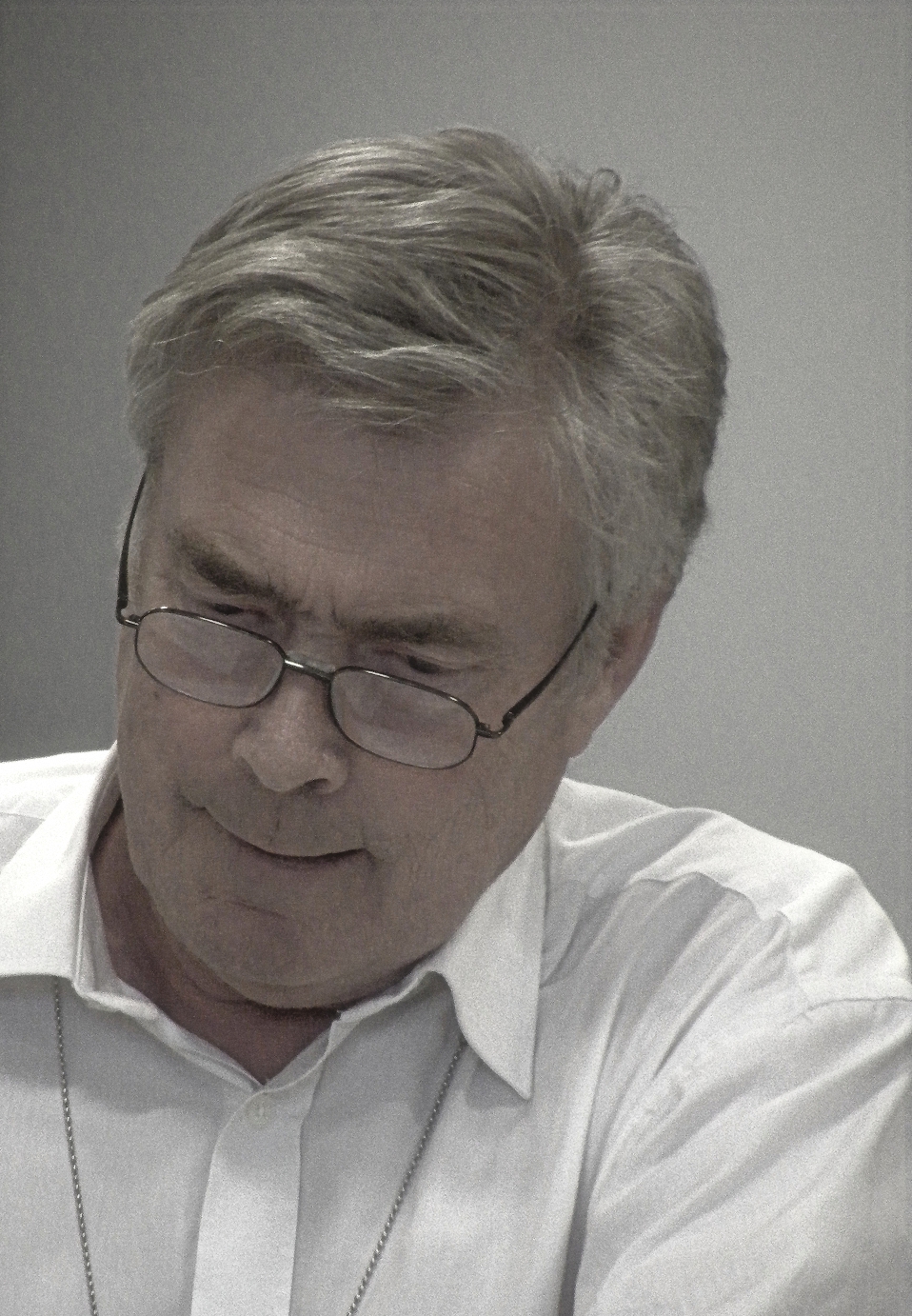
Dazed. Shocked. Stunned. Does any one of these words even begin to convey my reaction when around noon on 23 April I received the phone call informing me of Julian’s passing, having lost the battle against COVID-19 the night before? When I entered the field of chemical and biological warfare in 1986, his name immediately stood out. Julian Perry Robinson, a name immediately associated with the Stockholm International Peace research Institute (SIPRI) and the University of Sussex, near Brighton in the south of England. Our first encounter was in 1989. In hindsight, it was unsurprisingly at a workshop bringing together …
The Meaning of ‘Emergency Assistance’
Origins and negotiation of Article VII of the Biological and Toxin Weapons Convention – A new research report Article VII of the Biological and Toxin Weapons Convention (BTWC) belongs to the more obscure provisions. It reads as follows: Each State Party to this Convention undertakes to provide or support assistance, in accordance with the United Nations Charter, to any Party to the Convention which so requests, if the Security Council decides that such Party has been exposed to danger as a result of violation of the Convention. Since the treaty’s entry into force in 1975, states parties hardly looked at the …
Impunity through knowledge management: The legacy of South Africa’s CBW programme
Book review: Brian Rappert and Chandré Gould, The Dis-Eases of Secrecy: Tracing History, Memory & Justice (Jacana Media: Johannesburg, 2017), 261p. It took me almost a year to write this book review. There are reasons why. First, the book is not that easy to read. While one can read it linearly (that is one page after another, as one would normally do), it instead invites readers to follow the logic of the argument, which entails dashing back and forwards from one part in the book to another. Second, the insights are profound, and the reader needs to let them sink …
Synthetic biology & biosecurity: How scared should we be?
The link between synthetic biology and heightened biosecurity threats is often exaggerated. In a report published today (22nd May), King’s College London researchers say that in order to produce more refined assessments of the biosecurity threat, we need to understand more clearly what would be achieved by synthetic biology’s goal to ‘make biology easier to engineer’. Synthetic Biology and Biosecurity: How scared should we be? summarises and analyses the discussions from a workshop organised by Dr Catherine Jefferson, Dr Filippa Lentzos and Dr Claire Marris, at King’s in February 2014. Synthetic biology’s aim to make biology easier to engineer has raised concerns …