Syrian accession to the Chemical Weapons Convention – could it be a game changer?
Syrian statements suggest and the UN in New York has confirmed that Syria has decided to accede to the Chemical Weapons Convention. If that accession is confirmed, Syria becomes a contracting party of the CWC and, 30 days later, the 190th CWC State Party. What does this mean for the current efforts to bring the Syrian chemical weapons under international control and eliminate them? First of all, the legal context will change. By acceding to the CWC, Syria (the government as well as the opposition) will have forgone the acquisition, possession and use of chemical weapons. It will be under …
Syria to join Chemical Weapons Convention, Assad announces
Syria crisis: Assad sets out chemicals plan timeline BBC World, 12 September 2013 Last updated at 16:45 GMT Syria’s President Bashar al-Assad has given the first indication of a timeline for placing its chemical weapons under international control. He told Russian TV that Syria would apply to join a UN chemicals convention “in the next few days” and submit arms data a month after signing. [Continues] …
A Middle East Zone Free from Non-conventional Weapons (4)
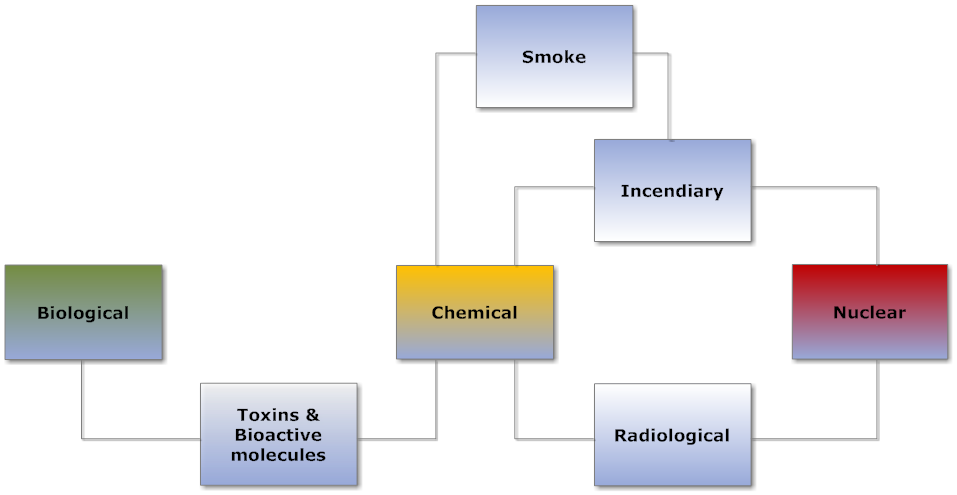
Part 4: Clear legal definitions at the core of the future treaty This article is the fourth in a series of blog postings exploring the opportunities and challenges facing a new series of conferences at the United Nations in New York to eliminate non-conventional arms – essentially nuclear weapons, and to a lesser extent chemical and biological weapons (CBW) – from the military arsenals in the Middle East. Why legal definitions matter By adopting Decision 73/546 on 22 December 2018, the UN General Assembly tasked the newly established conference with ‘elaborating a legally binding treaty establishing a Middle East …
A Middle East Zone Free from Non-conventional Weapons (3)
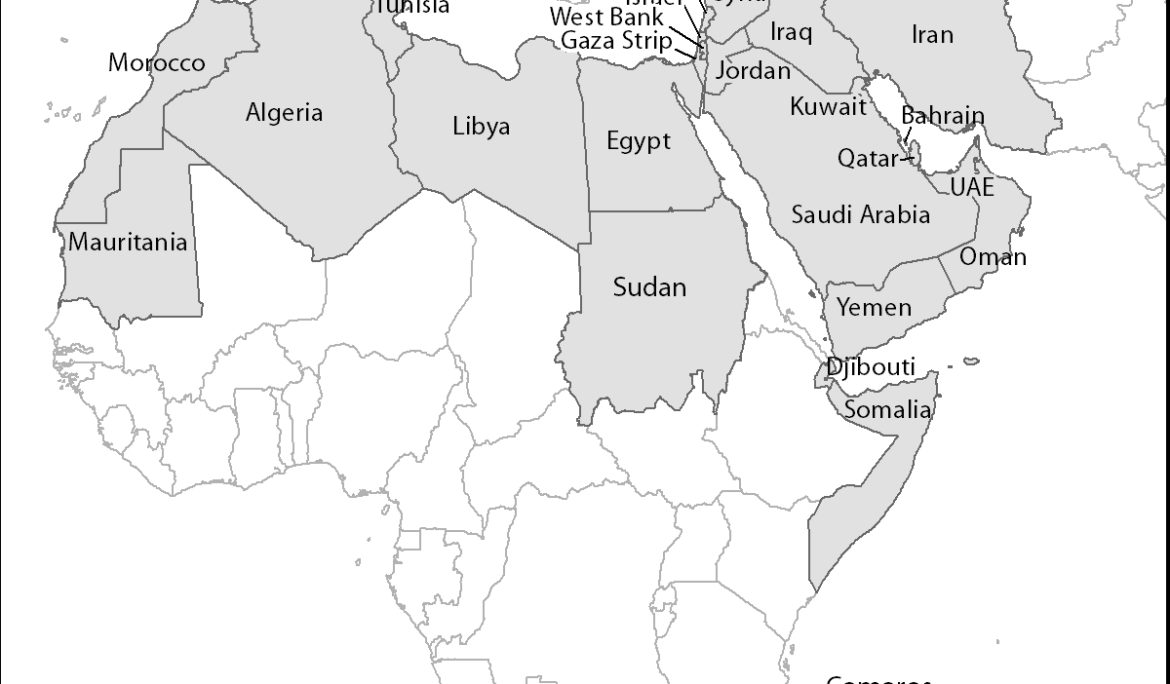
Part 3: Defining the Middle East, a loaded question In November 2019 a conference at the United Nations in New York (report here) marked a fresh round of diplomatic efforts to eliminate non-conventional arms – essentially nuclear weapons, and to a lesser extent chemical and biological weapons (CBW) – from the military arsenals in the Middle East. As indicated in the second part of this series, participants in the new conference series depart from the definition of the Middle East used by the International Atomic Energy Agency (IAEA). At the UN Institute for Disarmament Research (UNIDIR) seminar ‘The Middle …
A Middle East Zone Free from Non-conventional Weapons (2)
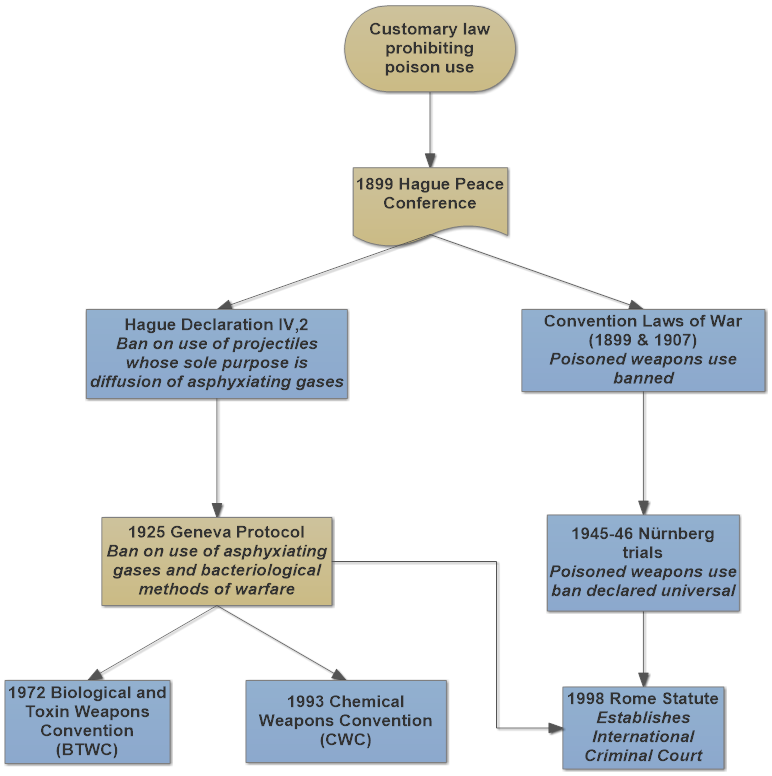
Part 2: Treaties governing chemical and biological weapons In November 2019 a conference at the United Nations in New York marked a fresh round of diplomatic efforts to eliminate non-conventional arms – essentially nuclear weapons, and to a lesser extent chemical and biological weapons (CBW) – from the military arsenals in the Middle East. This article is the second in a series of blog postings exploring the opportunities and challenges to ensure that the regional risks of CBW threats and use – chemical weapons (CW) were and, as I am writing, are part of conflicts in the Middle East …
A Middle East Zone Free from Non-conventional Weapons (1)
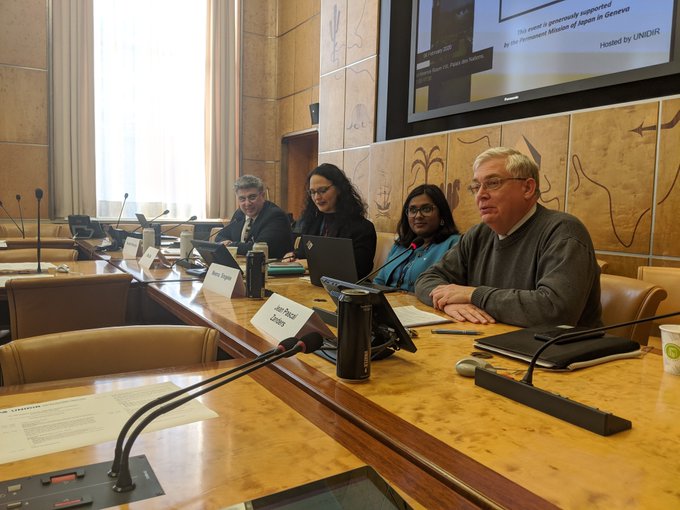
Part 1: A new process to disarm the Middle East In November 2019 a conference at the United Nations in New York marked a fresh round of diplomatic efforts to eliminate non-conventional arms – essentially nuclear weapons, and to a lesser extent chemical and biological weapons (CBW) – from the military arsenals in the Middle East. The previous initiative died in 2015 as the review conference (RevCon) of the 1968 Nuclear Non-Proliferation Treaty (NPT) failed to agree on a consensus document. The new series of annual meetings takes place outside the NPT RevCon cycle, which consists of a quinquennial …
The Australia Group and the prevention of the re-emergence of chemical and biological weapons
The European Union Non-Proliferation and Disarmament Consortium held its 11th Consultative Meeting in Brussels on 15 and 16 September 2022. Its central theme was the “Topicality of multilateral export control regimes”. On the second day, one of the four breakout sessions addressed the Australia Group, an informal arrangement coordinating technology transfer controls relating to dual-use agents and equipment with potential relevance for developing and producing chemical and biological weapons. Introducers were Ms Esmée de Bruin (Netherlands), Dr Mónica Chinchilla (Spain) and Ms Élisande Nexon, PharmD (France). I had the honour of moderating the session. The three speakers have different backgrounds, …

Heard It on the X: The active US biological weapons programme in Ukraine
Do you remember the 1975 song ‘Heard It on the X’ by the Texan blues-rock band ZZ Top? In the 1960s and 70s, the ‘X’ referred to the first letter of the codes for Mexican private radio stations. Contrary to their American counterparts, they broadcast with unlimited wattage and thus covered most of the USA. Anybody could buy any amount of radio time. So, many US preachers and other quacks exploited the opportunity to peddle their ‘truths’, Jesus-autographed prayer cloths, snake oils, or whatever. Almost half a century later, Elon Musk bought Twitter, rebranded it ‘X’, and began pushing his …
Prelude to chemical weapons use?
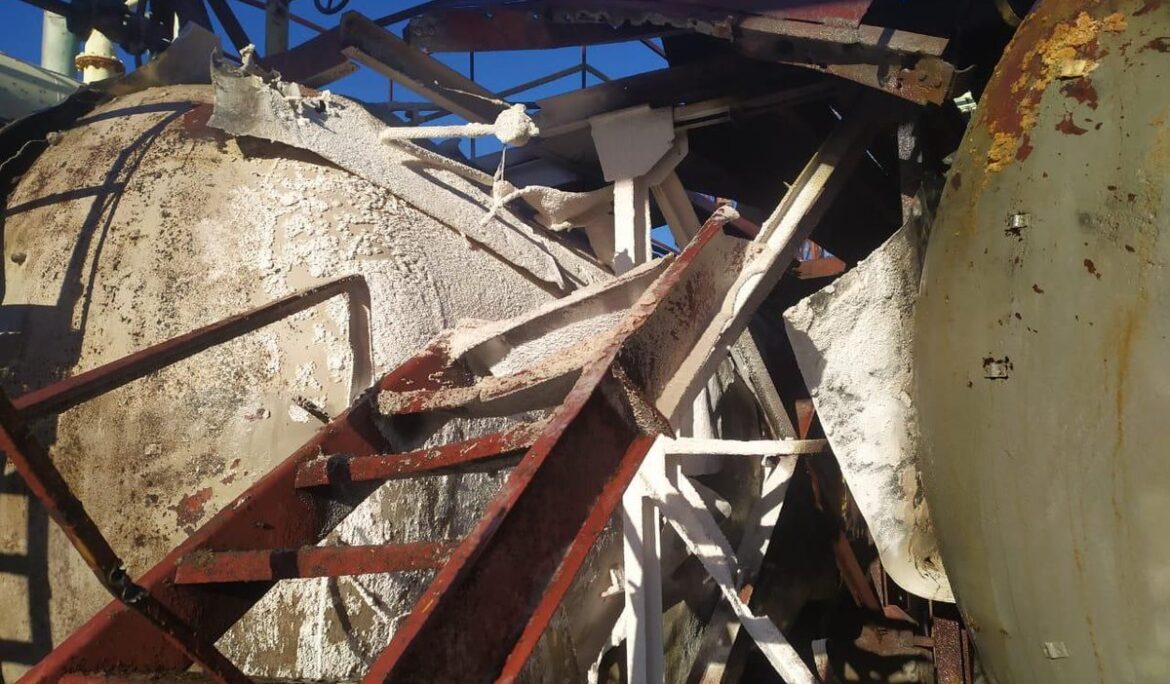
Late yesterday evening, adviser to Ukraine’s Minister of Internal Affairs Anton Garashchenko tweeted that Russia was using chemical weapons (CW) against the defenders of the encircled Black Sea town of Mariupol. Another statement, reportedly from the Azov regiment – notorious for its neo-Nazi ideology – defending the city, mentioned respiratory failure and vestibulo-atactic syndrome. There are references to dissemination of a toxic substance by a drone, but also that the incident has had no disastrous health consequences. Clearly, whatever the incident may have been, it is not (yet) a situation whereby Russia has unleashed CW, as a British tabloid was …
“Biological weapons are banned; biological research is not”
Amid the barrage of lies accompanying Russia’s war against Ukraine, the Kremlin’s disinformation narrative that Ukraine is carrying out research to develop biological weapons stands out as particularly insidious. Not only does it attempt to justify Russia’s brutal invasion, but also discredit legitimate biological and epidemiological research worldwide, at the risk to global public health. In an interview with EUvsDisinfo, Dr. Jean-Pascal Zanders, founder of The Trench and an independent expert on disarmament questions covering chemical and biological weapons, talks about the crucial differences between legitimate biological research and the development of biological weapons and why Russia is engaging in …