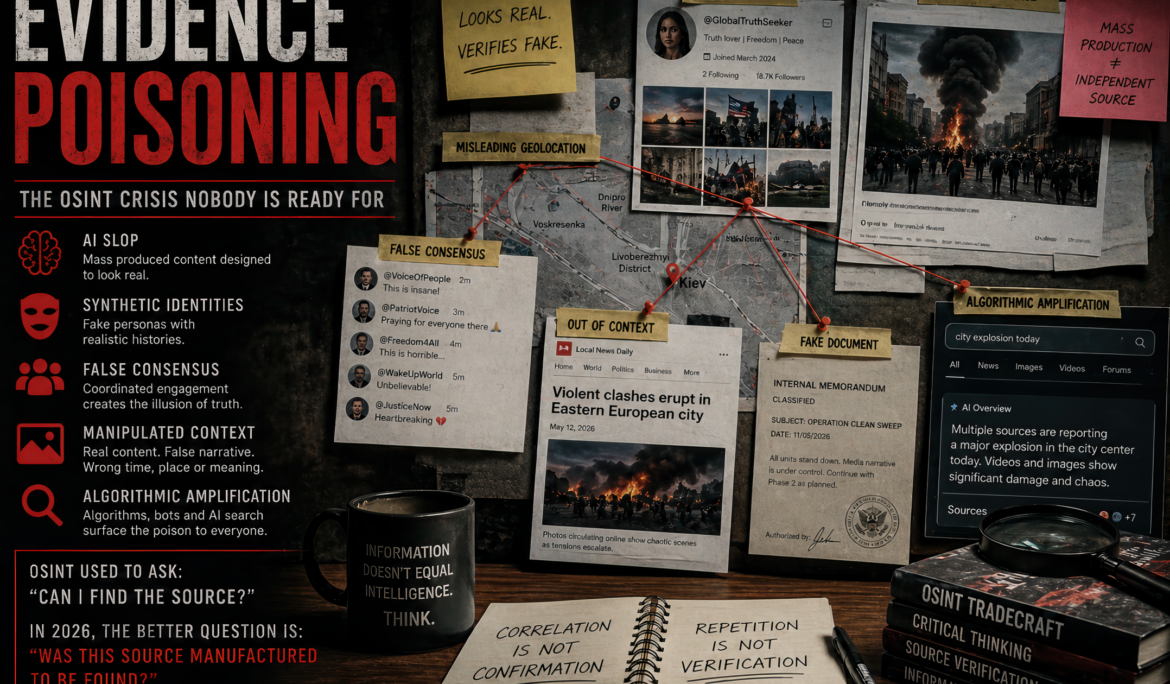
Evidence Poisoning: The OSINT Crisis Nobody Is Ready For
Over the past decade and a half, we have been confronted with chemical warfare, assassination operations involving nerve agents and lethal animal toxins, and accusations of illicit biological research activities, all indicative of serious breaches of the Chemical Weapons Convention (CWC) and the Biological and Toxin Weapons Convention (BTWC). The incidents were accompanied by information warfare, typically of the type in which one side claimed the allegations were fake and the other side argued their veracity. A characteristic of this information warfare is that the same antagonists – government outlets, organisations and institutions, individual scientists or academics, and motley groups …

A very thin gruel, indeed
On 23 September, President Donald Trump addressed the UN General Assembly (UNGA). In an unexpected move, he called on the world’s nations to halt the development of biological weapons (BW). Referring to the COVID pandemic five years earlier and reckless laboratory experiments, he announced a US-led international effort to strengthen the Biological and Toxin Weapons Convention (BTWC), and proposed an artificial intelligence (AI)-driven verification system. After more than two decades of opposition, his speech seemed to indicate that Washington might embrace verification machinery for the BTWC. However, the less than two minutes he devoted to the topic contained little substance …