Allegations of Iranian Use of Chemical Weapons in the 1980–88 Gulf War – Iran’s defensive preparations
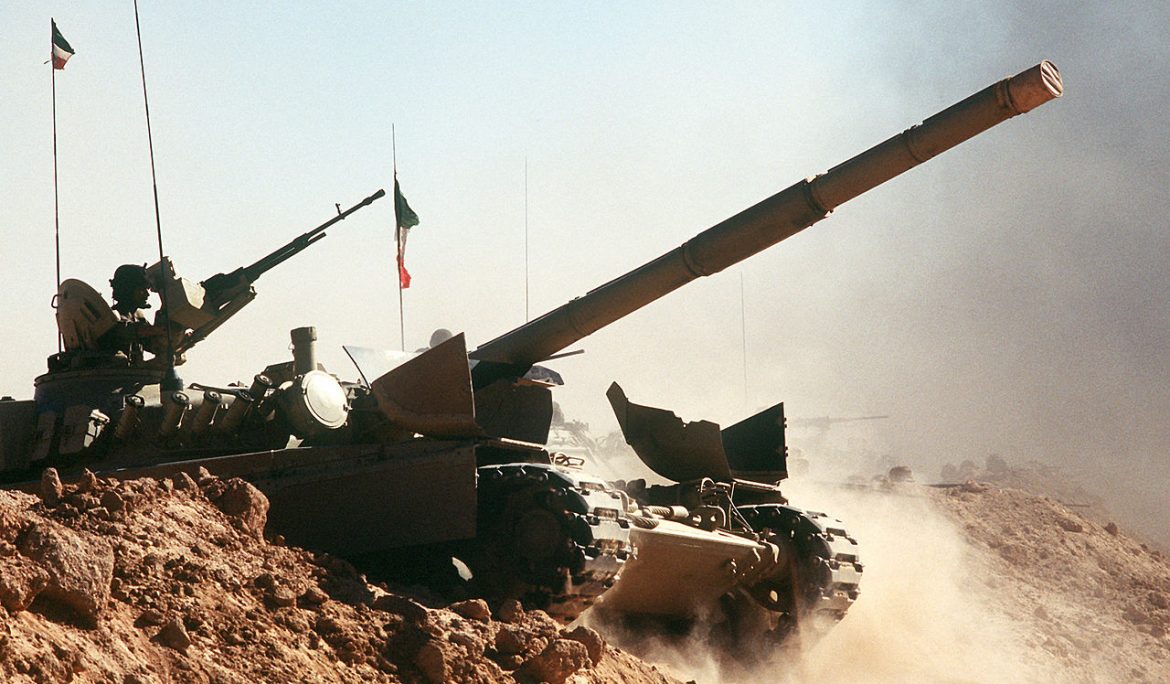
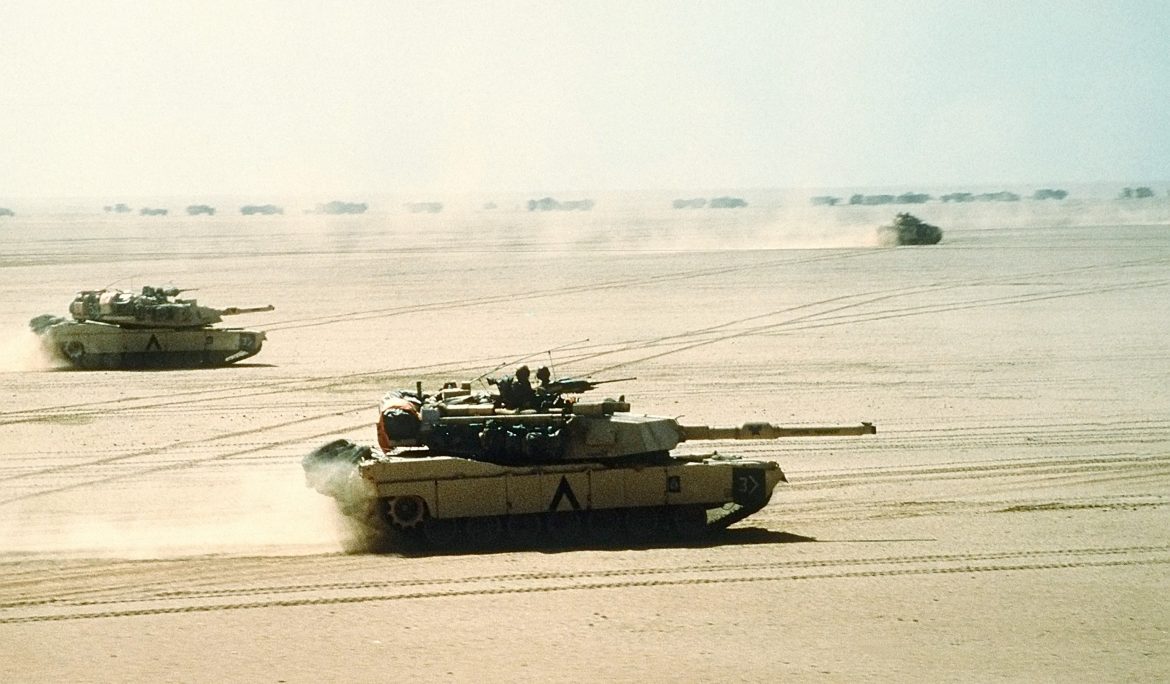
In the 1980–88 Gulf War Iraq repeatedly attacked Iran with chemical weapons (CW). At the beginning of the war both countries were contracting parties to the Geneva Protocol. According to Iranian statements, the first Iraqi CW attack occurred in January 1981.[1] One of the first independent news reports appeared in August 1982.[2] Iraq gradually integrated CW into its defensive and offensive military operations. Initially Iran appears to have been totally unprepared for military operations in a chemical environment. Throughout the war Iranian troops remained poorly protected and, in the light of the missile war against cities, the country would have …
Allegations of Iranian Use of Chemical Weapons in the 1980–88 Gulf War – Iran’s offensive preparations
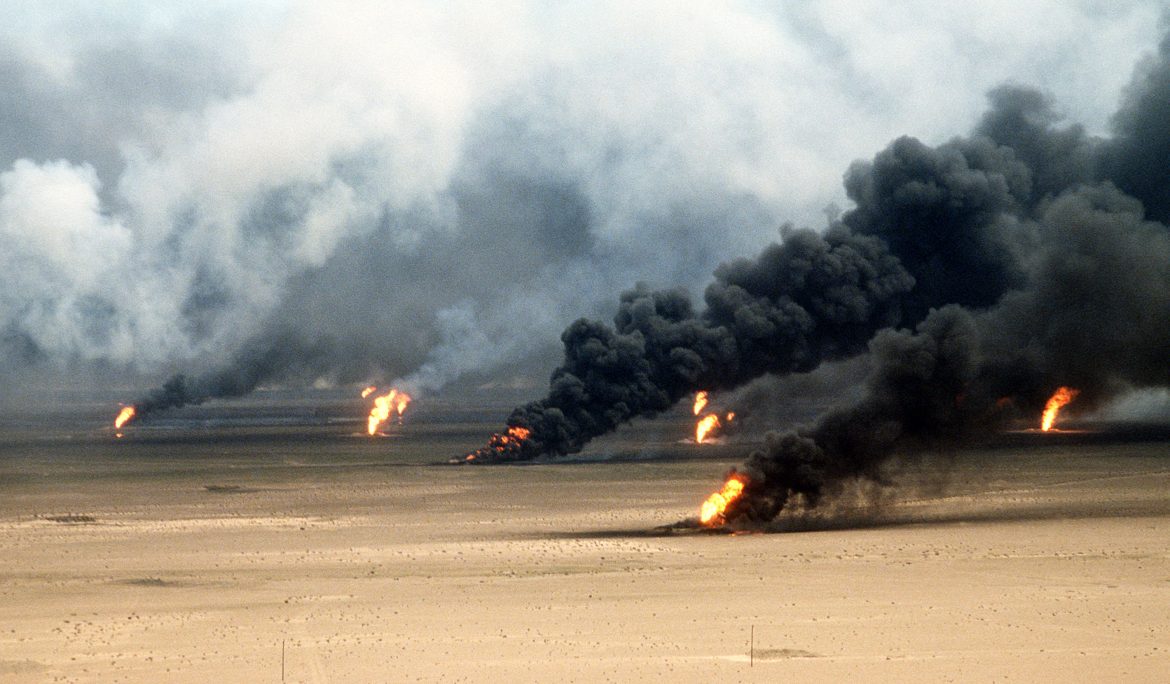
Two factors definitely contributed to the change in Iran’s views on chemical warfare: the systematic Iraqi attacks with CW from 1983 onwards and the lack of response from the international community for the Iraqi violations of international law. Iran’s chemical weapons (CW) armament programme started late into the war. Such a programme is complex and involves many phases, including research and development, setting up a production base, weaponisation, offensive and defensive doctrine development, establishment of logistics and operational support, training, and protection and defence. Consequently, Iran cannot be expected to have developed an advanced chemical warfare capability before the cease-fire …
Allegations of Iranian Use of Chemical Weapons in the 1980–88 Gulf War – Halabja
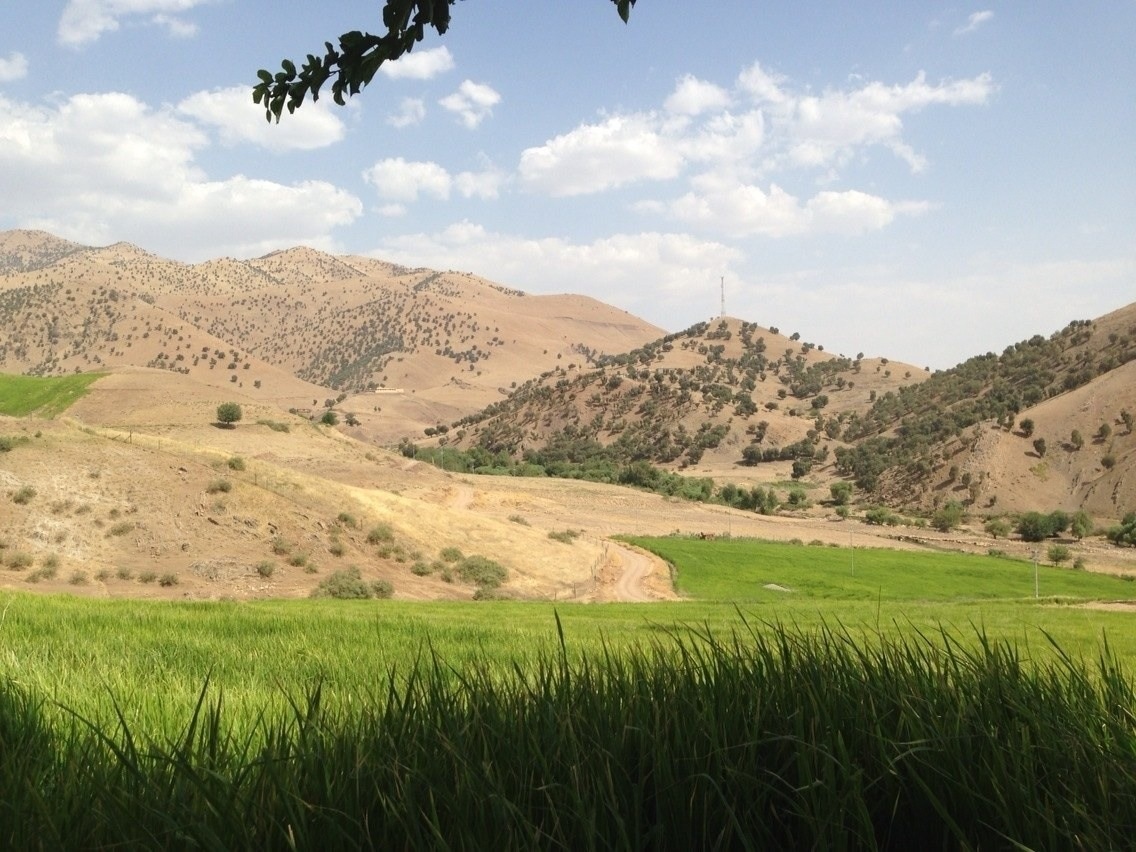
In the period of 16–18 March 1988 Halabja and its surroundings were attacked with chemical weapons (CW). According to Iranian figures, there were 12,500 casualties, including more than 5,500 fatalities.[1] A Kurdish researcher later concluded that at least 3200 residents are known to have died.[2] It is impossible to reconstruct exactly the events in and around Halabja. Nevertheless, it is widely accepted that the Iraqi military forces were solely responsible for the attack against a civilian target. Yet, shortly after the events sources in the United States began to hint that Iranian troops might have actually killed the majority of …
Allegations of Iranian Use of Chemical Weapons in the 1980–88 Gulf War – Conclusion
Was Iran responsible for the CW atrocity in Halabja? The question therefore arises whether the United States may have been politically motivated to place the main responsibility for Halabja with Iran. The allegation came as Washington was visibly tilting towards Iraq. Soon after the US State Department blamed Iran for the events, US officials were quoted as saying that the finding undermined the propaganda advantage Iran was seeking by publicising the attacks.[1] From this angle, the US assertion might be viewed as an attempt to undermine the moral high ground regarding chemical warfare Iran desperately tried to maintain during the …

Disarmament education: Road-testing a master’s course on CBRN dual-use technology transfer controls
From 17 until 28 June I ran an Executive Course on Export Control at the M. Narikbayev KAZGUU University in Nur-Sultan (formerly Astana), Kazakhstan. Its goal was twofold. First, it tested in a real university setting parts of a master’s course on chemical, biological, radiological and nuclear (CBRN) dual-use technology transfer controls I have been developing since February 2018. Its second purpose was to attract interest in organising the full master’s course from other Central Asian academic institutes. Set in the broader context of peace and disarmament education, the Executive Course posed considerable challenges from the perspective of educational methodology …
Blog 1 – Experiences of a student at the Meetings of Experts of the Biological and Toxin Weapons Convention
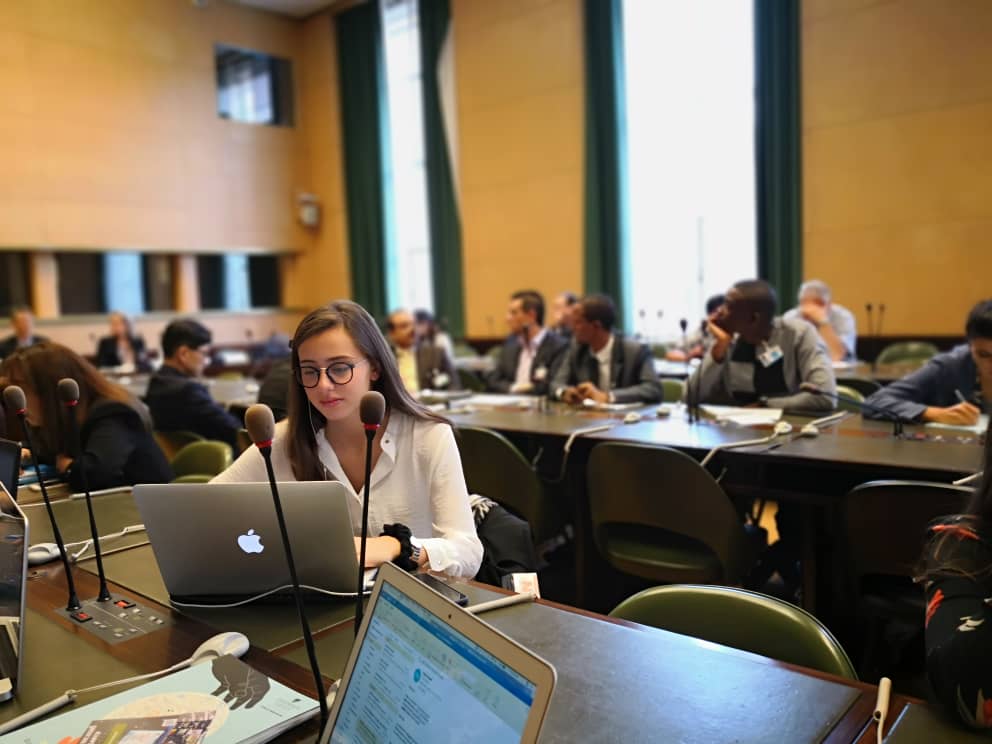
I am Chiara Barbeschi and study Security Studies (BSc) at Leiden University in the Netherlands. Interning at The Trench and representing the non-governmental organisation (NGO) as a Research Associate at the five Meetings of Experts (MXs) of the Biological and Toxin Weapons Convention (BTWC) is an incredible opportunity that Jean Pascal Zanders granted me. Blogging about it is a chance of sharing my perspective, impressions and account of the conference. I know that there are also the daily factual reports Richard Guthrie writes and distributes in the meeting room. My posts convey the thoughts of a student experiencing the BTWC meetings for the first time. MX1 (29 – …
Third tabletop exercise on emergency assistance in case of biological weapon use – First impressions
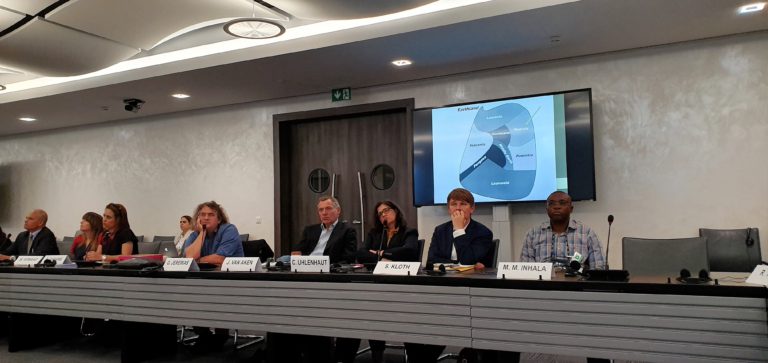
The day after the presentation of the report on the Article VII tabletop exercise (TTX) held in Lomé, Togo on 29 and 30 May to the states parties of the Biological and Toxin Weapons Convention (BTWC), the Fondation pour la recherche stratégique (FRS) and the BTWC Implementation Support Unit (ISU) ran another TTX in the United Nations building in Geneva. This time the focus was on a series of anthrax outbreaks that affected mostly herd animals, but also led to multiple human casualties. The scenario was a deliberate attempt to break with the habitual simulations of increasingly dire human pandemics. After all, the BTWC covers …
Blog 2 – Experiences of a student at the Meetings of Experts of the Biological and Toxin Weapons Convention
This second blog post covers both the second and third Meetings of Experts (MXs) of the Biological and Toxin Weapons Convention (BTWC). MX2 on science and technology took place on 31 July and 2 August (the day in between being the Swiss national day); MX3 on strengthening national implementation of the BTWC was a one-day event on 5 August. MX2 impressions Like at the start of the week I was still sitting behind The Trench nameplate, which was formally represented for the first time in these five MXs of 2019. MX2 was chaired by Mr Yury Nikolaichik of Belarus who decided to …
Below the headlines: CBW matters (1)
(A weekly digest from the internet on chemical and biological warfare issues. Emphasis is on incidents and perspectives, but inclusion of an item does not equal endorsement or agreement with the contents. This first issue covers items collected between 1–20 February 2017.) BTWC Implementation BWC Newsletter (February 2017): The BTWC Implementation Support Unit published the first issue of its periodic newsletter. BW Threats Bioterrorism poses catastrophic threat to U.S. agriculture (Homeland Security Newswire, 30 January 2017): Members of the Blue Ribbon Study Panel on Biodefense consider the threat of terrorism with BW against the US agricultural sector as a major …
Below the headlines: CBW matters (2)
(A weekly digest from the internet on chemical and biological warfare issues. Emphasis is on incidents and perspectives, but inclusion of an item does not equal endorsement or agreement with the contents. This issue covers items collected between 20 – 26 February 2017.) Assassination of Kim Jong-Nam Video of Poisoning of Kim Jong-Nam Calls Suspect’s Story into Question (David Bixenspan, 21 February 2017): The suspect in the chemical attack-murder of Kim Jong-Nam is claiming she was told she was shooting a TV prank show and had no idea she wasn’t spraying him with water. The newly released video of the attacked …