

If the allegation of camite deployment as a crowd control tool is accurate, the incident would echo the recent introduction of two other world war one toxicants: chlorine in the Syrian civil war and chloropicrin in the Ukrainian trenches.
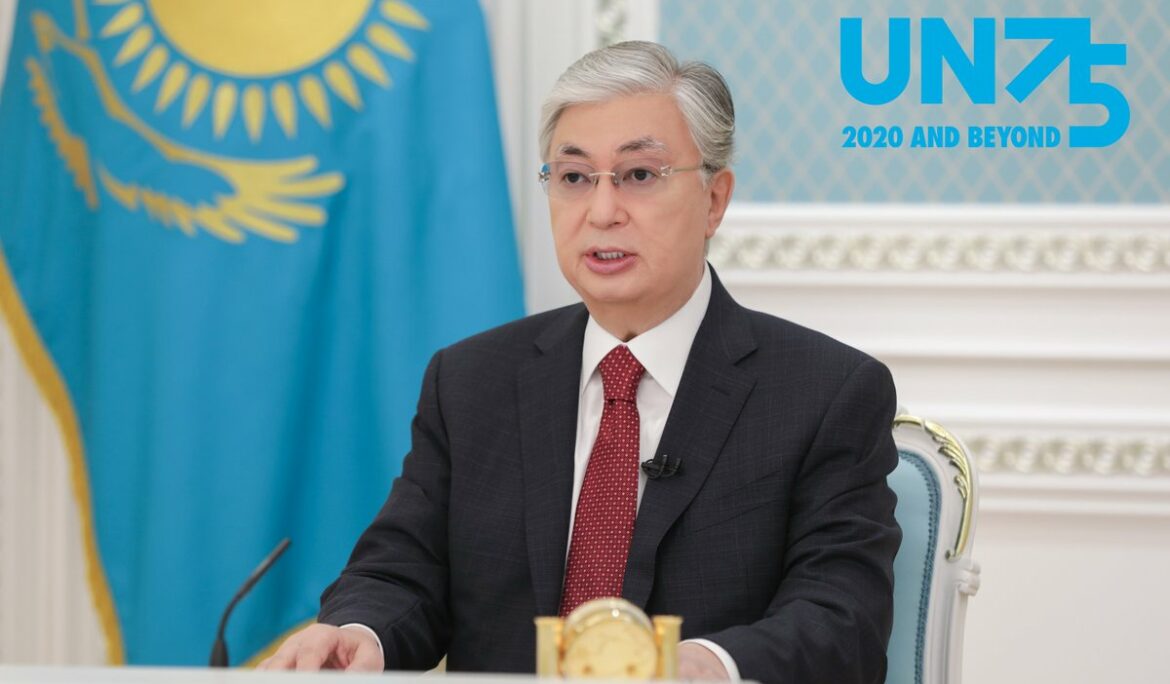
Biological weapons: A surprise proposal from Kazakhstan worth exploring
This year the UN General Assembly (UNGA) celebrates the 75th time in session. However, the worldwide spread of the Severe Acute Respiratory Syndrome Coronavirus 2 (SARS-CoV-2) casts dark shadow over the anniversary with some of the major global players preferring to play geopolitics when nations should unite to combat a germ that knows no borders. Unsurprisingly, many heads of state or government, ministers and other dignitaries have reflected in their statements on the pandemic and the challenges ahead. Some introduced constructive suggestions to address the factors that led to the outbreak at the end of last year. Others put forward …
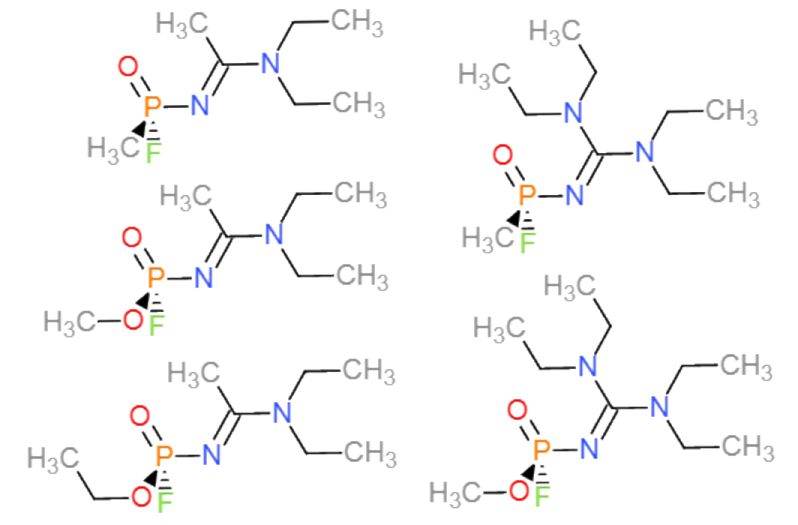
History of nerve agent assassinations
On 20 August, the Russian anti-corruption activist Alexei Navalny fell ill during a return flight to Moscow and was hospitalised in the Siberian town of Omsk after an emergency landing. Members of his travelling party immediately suspected poisoning, an impression hospital staff reinforced when they refused Navalny’s personal physician access to his medical records. Following his airlifting to Berlin for further examination and specialist treatment, the Charité hospital issued a statement on 24 August that preliminary findings indicated exposure to ‘a substance from the group of cholinesterase inhibitors’. Even though the hospital could then not name the specific poison used, …
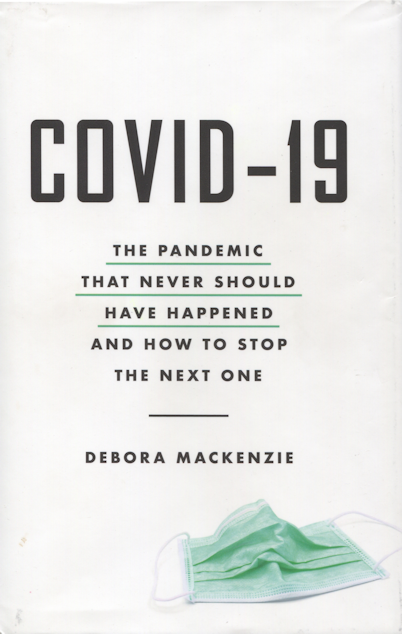
COVID-19: A perfect storm foretold
Book review: Debora MacKenzie, COVID-19: The Pandemic That Never Should Have Happened and How to Stop the Next One (New York: Hachette Books, 2020), 279p. The book opens with the quote from a poster seen at the first March for Science on 22 April 2017: “Every disaster movie starts with someone ignoring a scientist”. My immediate thought: well, scientists may be clever, but they just cannot express their thoughts in a register that politicians and opinion shapers might understand. Another reflection replaced it instantaneously, this time on politicians: they are so ideological that if their teachings tell them to …
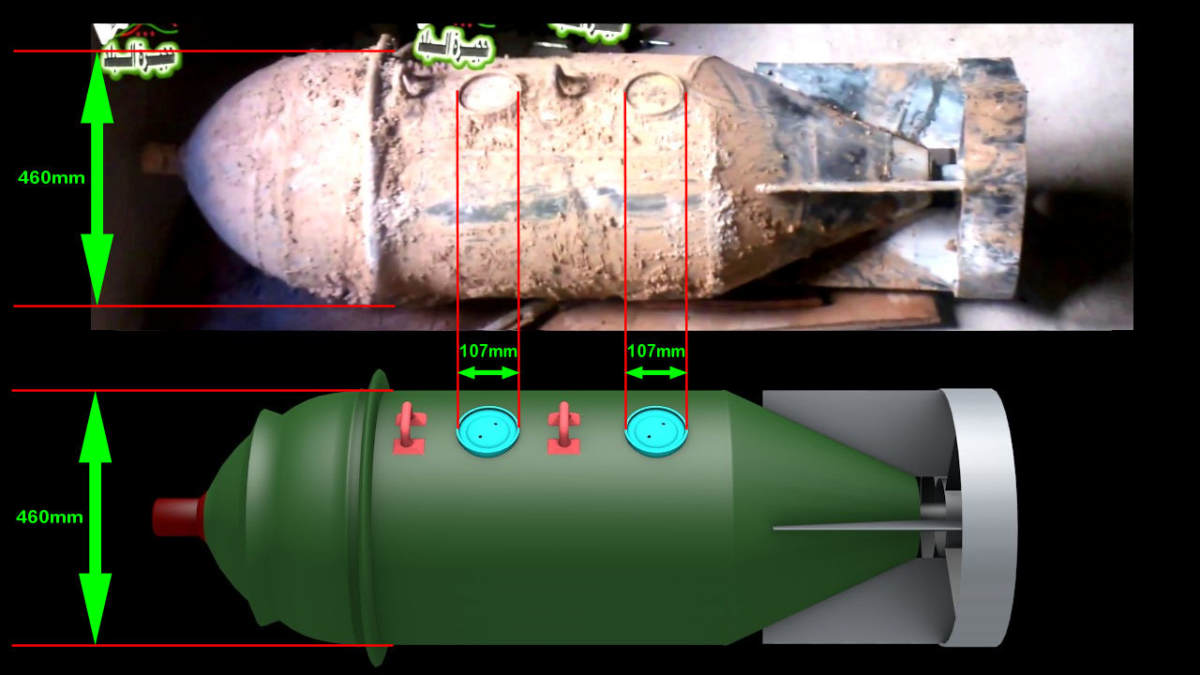
Syria stands formally accused of violating the Chemical Weapons Convention
The Executive Council of the Organisation for the Prohibition of Chemical Weapons (OPCW) held its 94th session from 7–10 July. Prominent on the agenda was the determination by the Investigation and Identification Team (IIT) that ‘there are reasonable grounds to believe’ that Syrian government forces bear responsibility for several chemical weapon (CW) attacks at the end of March 2017. The finding is the first time that the Technical Secretariat of the OPCW has formally charged a state party to the Chemical Weapons Convention (CWC) with violating Article I, para. 1(b) to never under any circumstances use CW. The accusation is …