
Aiming for a future verification system for the BTWC
This posting is based on comments made during a panel on ‘The Future of Biological Weapons’ at the annual conference of the EU Non-Proliferation and Disarmament Consortium, held in Brussels on 13 November 2024. Previously 1996 was a year of optimism. Held between the opening for signature (January 1993) and entry into force (April 1997) of the Chemical Weapons Convention (CWC), the Fourth Review Conference of the Biological and Toxin Weapons Convention (BTWC) decided to give the Ad Hoc Group (AHG) a mandate to negotiate a legally binding protocol to equip the BTWC with, among other things, a verification …

Announcement: BWC Advanced Education Course
[Applications open until 29 September] State Parties, particularly from the Global South, often lack the resources, knowledge, and expertise to participate in the Biological Weapons Convention (BWC) diplomatic process more meaningfully. To address this challenge, UNIDIR, Diplo Foundation and FRS are organizing the BWC Advanced Education Course (BWCedu). The course will equip key stakeholders – government officials in capital with responsibilities in BWC implementation, aspiring and active diplomats and life scientists working on BWC issues and biological threats – with the essential knowledge, skills and expertise to actively participate in the BWC diplomatic process and thus contribute to a stronger …

Chloropicrin and its alleged use in the Ukrainian war (part 3)
The first instalment of this four-part blog series reviewed the allegations of Russian chemical weapon (CW) use in the Ukrainian war from its start in 2014 until the present. At the meeting of the Executive Council of the Organisation for the Prohibition of Chemical Weapons (OPCW) in March 2024, the Ukrainian delegate reported 1,060 incidents since the Russian invasion in February 2022. More recently, Ukraine claimed in a note verbale to the OPCW dated 13 June that it had recorded a total of 2,968 cases of Russian use of riot control agents (RCAs) between 15 February 2023 and 25 April …

Chloropicrin and its alleged use in the Ukrainian war (part 2)
The first of four parts in this blog series reviewed the allegations of Russian chemical weapon (CW) use in the Ukrainian war from its start in 2014 until today. The Ukrainian delegate reported 1,060 incidents since the Russian invasion in February 2022 at the meeting of the Executive Council of the Organisation for the Prohibition of Chemical Weapons (OPCW) in March 2024. On 23 May, the Wall Street Journal quoted Ukrainian sources that the number of CW incidents was quickly approaching the 2,000 mark: As of May 3, the Support Forces have confirmed 1,891 such attacks since they began tracking …
Chloropicrin and its alleged use in the Ukrainian war (Part 1)
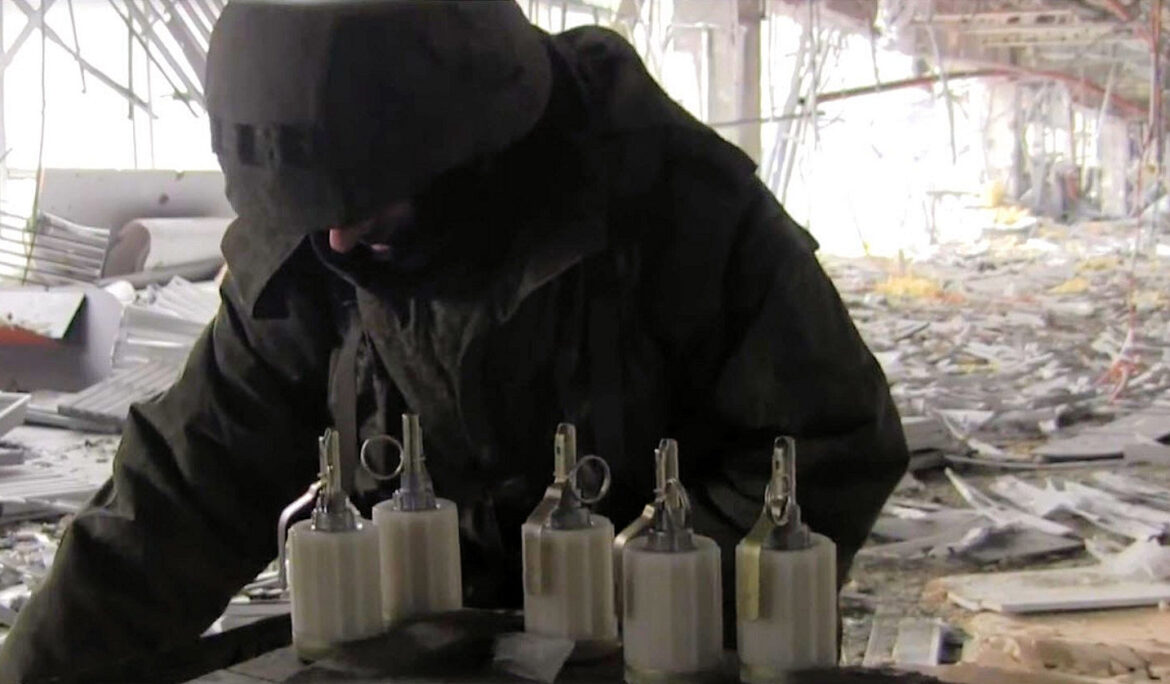
On 1 May, the United States formally accused Russia of using ‘the chemical weapon chloropicrin against Ukrainian forces in violation of the Chemical Weapons Convention (CWC)’. It added: ‘We make this determination in addition to our assessment that Russia has used riot control agents as a method of warfare in Ukraine, also in violation of the CWC. The use of such chemicals is not an isolated incident and is probably driven by Russian forces’ desire to dislodge Ukrainian forces from fortified positions and achieve tactical gains on the battlefield.’ Allegations of chemical weapons (CW) use first appeared after the start …
Response is failure in the primary mission of preventing CBW
The Global Partnership against the Spread of Materials and Weapons of Mass Destruction has now been around for over two decades. In the wake of the terrorist attacks against the US in September 2001, it started out as an effort to mobilise the resources of the G8 members to prevent terrorist acquisition of nuclear, biological and chemical weapons, and related materials. The weapons, technologies and skills available from the former Soviet Union presented a significant proliferation risk, which the US was already addressing through the Cooperative Threat Reduction (CTR) programme. Now comprising 31 members, the Global Partnership (GP) played a …
Falling between the Cracks and by the Sides
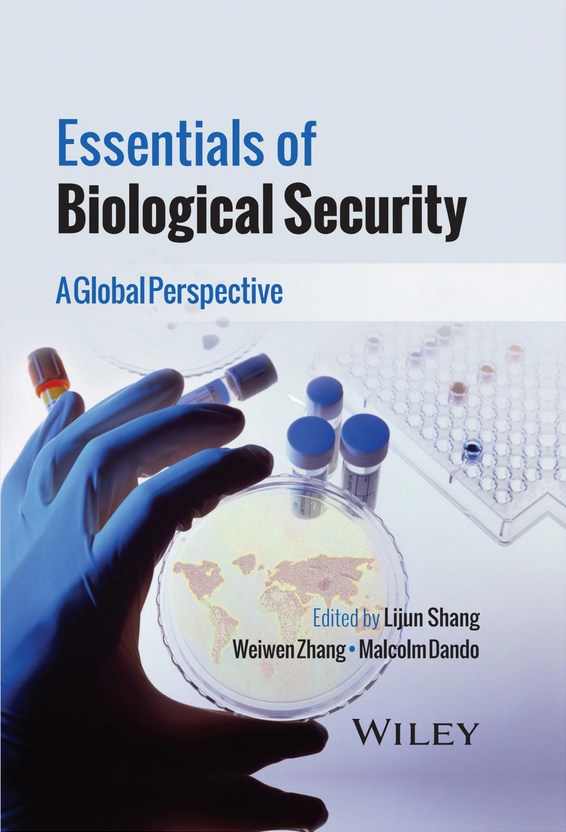
Next month, Essentials of Biological Security: A Global Perspective edited by Lijun Shang, Weiwen Zhang and Malcolm Dando will be published. The book offers an introduction to biological security and the chemical and biological weapons (CBW) threat spectrum and explores the history of biological weapons from antiquity to modern day. Its core comprises expert analyses of the Biological and Toxin Weapons Convention and other relevant international agreements and organisations and practical discussions of dual-use technologies and how to minimise their risk. (For a preview of the book contents, click here.) I contributed the chapter Falling between the Cracks and by …
The BTWC Confronting False Allegations And Disinformation
Introduction Russia invaded Ukraine on 24 February 2022. Following Russia’s occupation of territory in the east, north and south of Ukraine, it took possession of several biological research facilities. Partly based on documents it claimed to have recovered from these facilities, Russia alleged that the United States had been sponsoring biological activities in Ukraine violating the 1972 Convention on the Prohibition of the Development, Production and Stockpiling of Bacteriological (Biological) and Toxin Weapons and on their Destruction (Biological and Toxin Weapons Convention, BWC), a disarmament treaty that outlaws the development, acquisition and possession of biological weapons. During the first few …

Verification and Transparency: Learning from Project Coast
Introduction to Historical Notes, Issue #5 The fifth issue of the Historical Notes series was prepared by Professor Brian Rappert, Ms Lizeka Tandwa and Dr Chandré Gould. The South African Defence Force (SADF) established a top-secret chemical and biological weapon (CBW) programme code-named ‘Project Coast’ that operated between 1981 and 1995. Its primary aims were to develop a defensive capability for the SADF and weaponise chemical agents for crowd control, specifically during protests, and for the targeted assassinations of political activists in and outside of South Africa. The history and motives of this CBW programme, as far as it can …
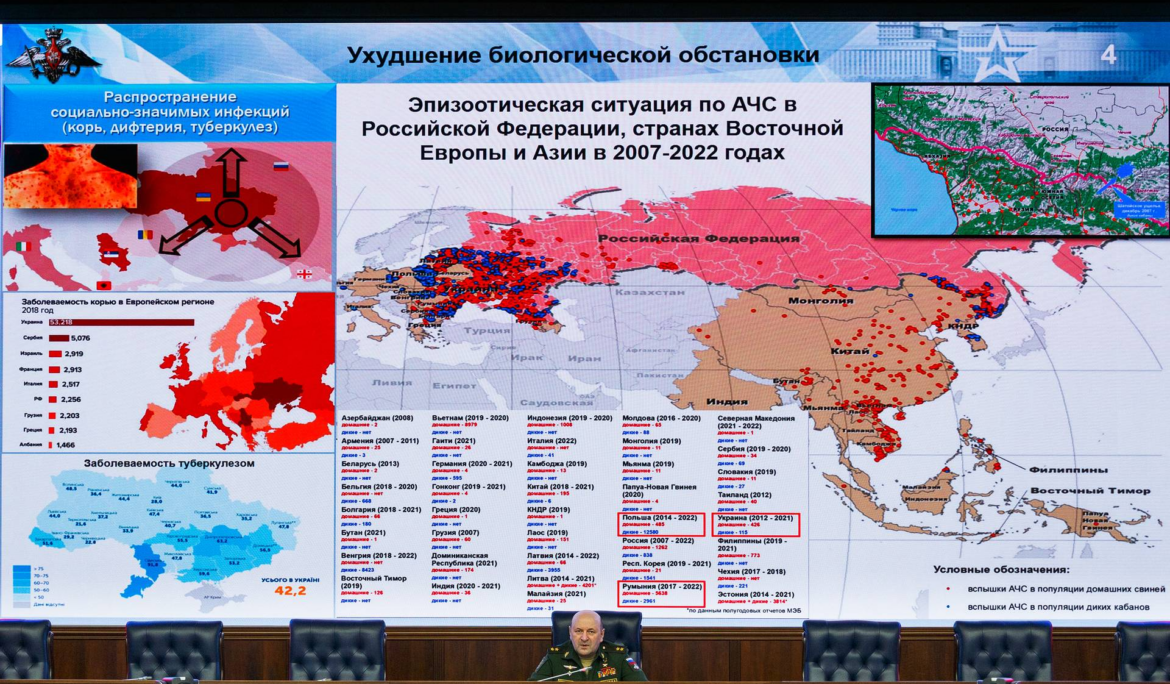
Russia’s apoplexy over biological research – Implications for the BTWC and its Articles V and VI
Since the summer, Russia has been adding chapters to the history of the Biological and Toxin Weapons Convention (BTWC) with its allegations of treaty violations against Ukraine and the USA. So far, it has culminated in convening a Formal Consultative Committee (FCM) under BTWC Article V in September and filing an Article VI complaint accompanied by a draft resolution proposing an investigative commission with the United Nations Security Council (UNSC) in October. The FCM was inconclusive because states parties reached no consensus on whether Moscow’s allegations have merit. Notwithstanding, a large majority of participating states rejected the accusations in their …