Sanctioning Syria: An Analysis of the OPCW Vote
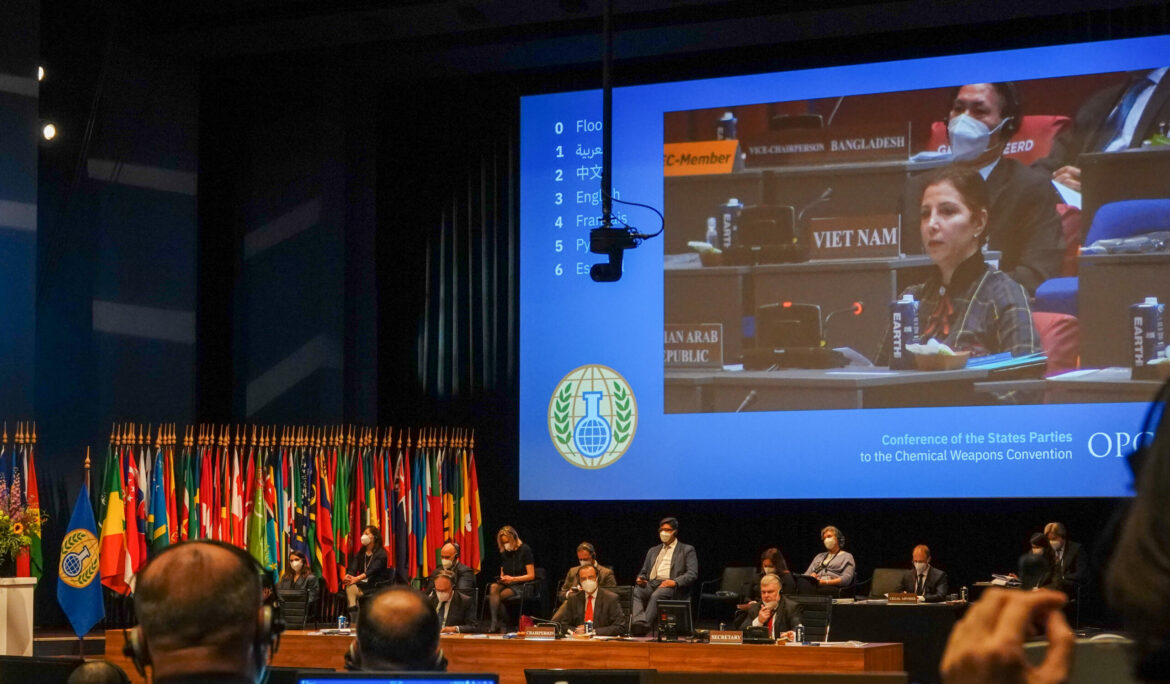
The Organisation for the Prohibition of Chemical Weapons (OPCW) completed its 25th session of the Conference of the States Parties (CSP) on 22 April, the 106th anniversary of the first massive use of chlorine as a warfare agent in the First World War. Due to the sanitary restrictions to contain the global coronavirus pandemic, the OPCW spread the CSP-25 over two sittings. The first one took place on 30 November and 1 December 2020. Its primary objective was the adoption of the work programme and budget for 2021, which the states parties to the Chemical Weapons Convention (CWC) could not …
COVID-19 pushes BTWC Review Conference into 2022
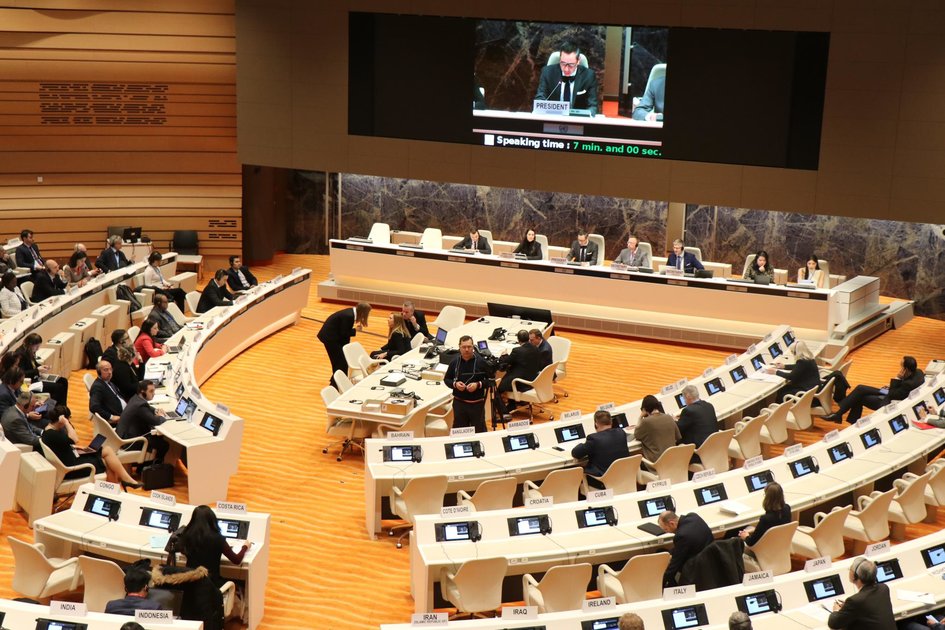
As noted in the blog posting of 29 November, COVID-19 has seriously interfered with the meeting agendas for the Biological and Toxin Weapons Convention (BTWC) and the Chemical Weapons Convention (CWC). A new schedule is emerging for the BTWC while it appears possible that the second part of last year’s CWC Conference of States Parties may take place later than April. BTWC meetings for 2021 The Chairperson of the 2020 Meeting of States Parties (MSP), Ambassador Cleopa Mailu of Kenya, has notified delegations that the Meetings of Experts (MX) will now be held one year after the originally planned dates, …
COVID-19 interferes with CWC and BTWC meeting schedules
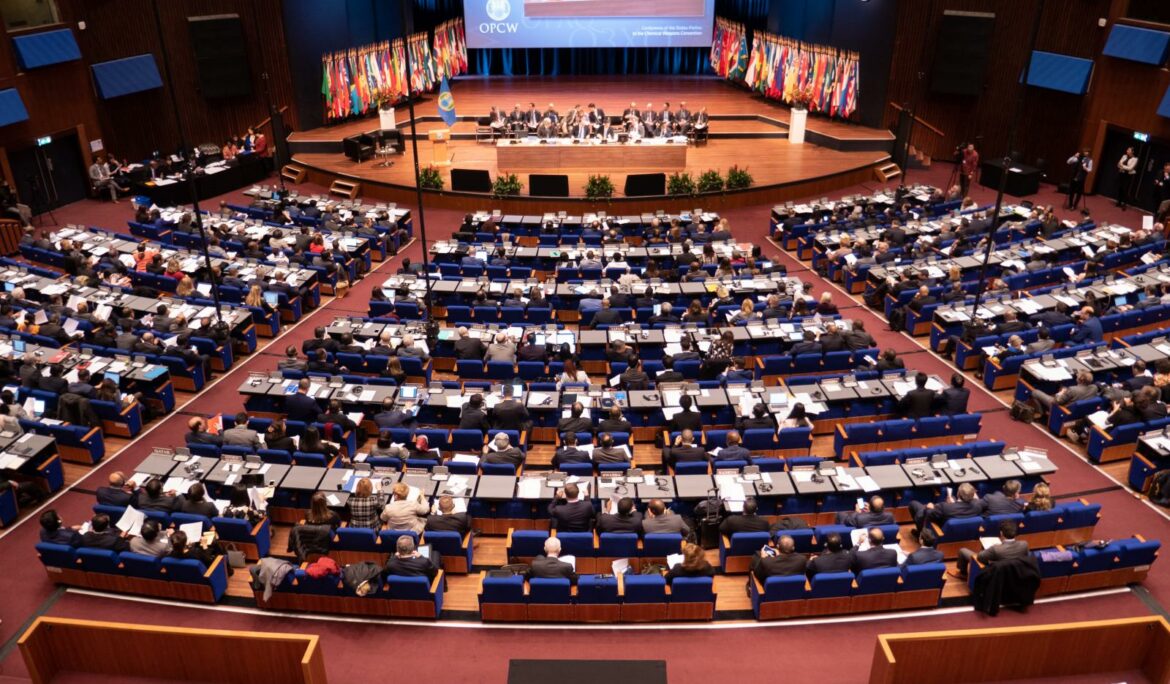
COVID-19 is messing up the diplomatic disarmament and arms control agendas. On 27 March Ambassador Gustavo Zlauvinen from Argentina announced as President-Designate the postponement of the 10th Review Conference of the Nuclear Non-Proliferation Treaty (NPT). Initially scheduled for 27 April – 22 May 2020, it was to take place by April 2021. The deadline was moved up to August. However, because of the United Nation’s original schedule of meetings for 2021 combined with the many rescheduled meetings of this year, the only possible opening in the agenda was an impractical slot from 4 to 29 January. The pandemic’s resurgence in …
Implementing BTWC Article VII: Some thoughts for the Meeting of Experts and the Review Conference
[Text of a pre-recorded video ahead of an international webinar on 12 November providing an opportunity for informal discussions on topics to be considered by the Meeting of Experts on Assistance, Response and Preparedness (MX4).] Excellencies, Ladies and Gentlemen, Colleagues, I am Dr Jean Pascal Zanders from Belgium and an independent disarmament researcher and consultant at The Trench. My focus is on the elimination and prevention of re-emergence of chemical and biological weapons. I have been regularly following meetings of the Biological and Toxin Weapons Convention (BTWC) since the Fourth Review Conference in 1996. I am honoured to introduce the …
Have you already registered for the CW threat webinar? (10 days to go)
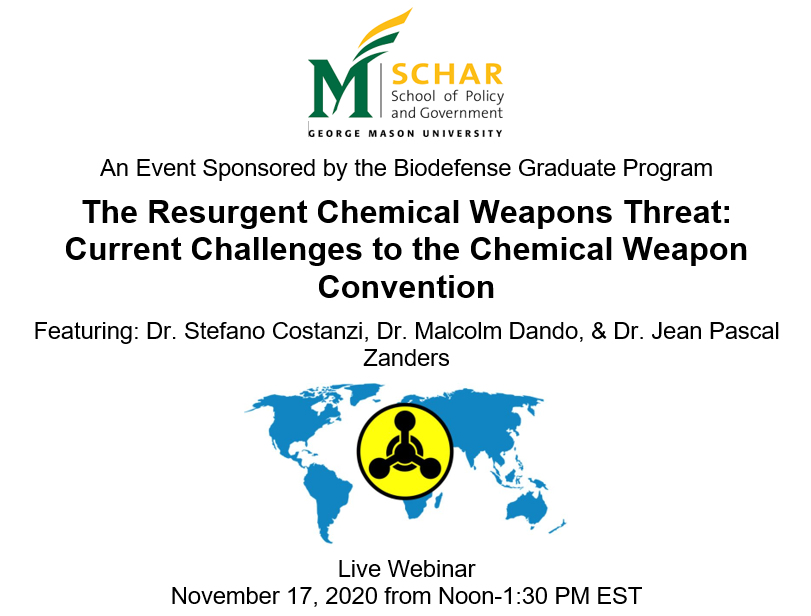
The Resurgent Chemical Weapons Threat: Current Challenges to the Chemical Weapon Convention Assassination attempts with novichok The race for new incapacitating chemical agents CW disarmament in Syria and investigations of alleged CW use More than 190 people have already registered. They come from many countries, including Argentina, Belgium, Brazil, Canada, Germany, Iran, Iraq, Sweden, Switzerland, UK, and the USA. They work for government agencies, international organisations, private companies and contractors, think tanks, and universities. If you still wish to join the webinar: register at https://bit.ly/34vDJRQ —– The chemical weapons nonproliferation regime is at a crossroads. Chemical weapons have …
Increasing assurance under the BTWC through biorisk management standards
The final report of the 7th Review Conference of the Biological and Toxin Weapons Convention (BTWC) held in December 2011 contained a one-line subparagraph whose ambition came to fruition in December 2019. Under Article IV (on national implementation measures), paragraph 13 opened as follows: The Conference notes the value of national implementation measures, as appropriate, in accordance with the constitutional process of each State Party, to: (a) implement voluntary management standards on biosafety and biosecurity; That single line of new language in the final report was the outcome of a preparatory process that had begun in September 2009 and …
From irritant to tear-gas: the early story of why a toxic agent became non-lethal
With the recent international attention to riot control agents (RCA) people have raised the question how their use against protesting civilians can be legal when the toxic agents are internationally banned from battlefields. Framed as such, the question is not entirely correct. In my previous blog posting I argued that outlawing RCAs for law enforcement and riot control based on the above reasoning may run into complications in the United States because the country still identifies operational military roles for irritants on the battlefield in contravention of the Chemical Weapons Convention. This article sketches the convoluted history of harassing agents …
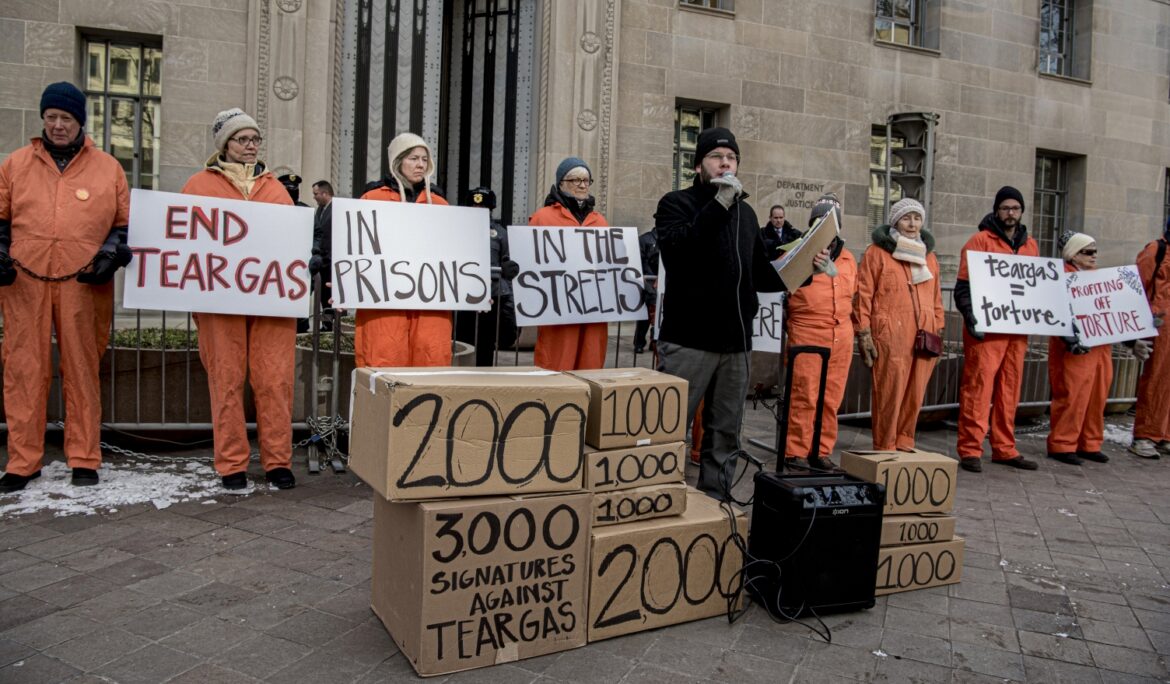
‘Tear-gas’: authorised at home, banned in war? Not so for the USA
‘Tear-gas’ may come to symbolise the Trump Administration’s heavy-handed response to the popular reaction against the killing of George Floyd, a middle-aged black man, by a white police officer. The President’s rolling thunder of insensitive, divisive tweets extolling law and order and deriding the legitimate demands by the Black Lives Matter movement has contributed to irresponsible use of force against essentially peaceful protesters, onlookers, and members of the press. Police brutality combined with widespread lack of accountability – unless a person gets killed or an incident is captured on media – has led to multiple types of excesses. When President …
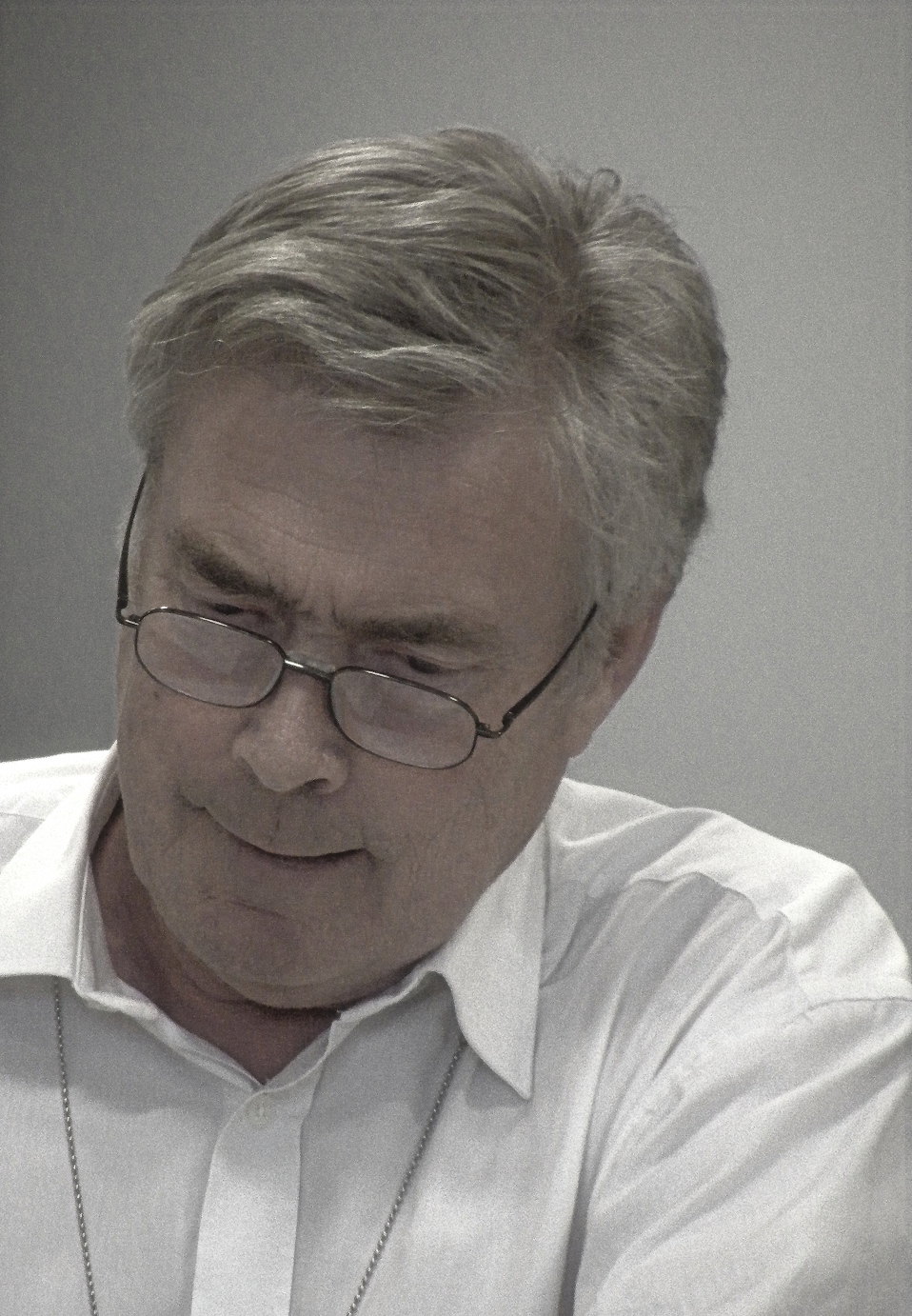
JPPR – The 4 letters that shaped my career
Dazed. Shocked. Stunned. Does any one of these words even begin to convey my reaction when around noon on 23 April I received the phone call informing me of Julian’s passing, having lost the battle against COVID-19 the night before? When I entered the field of chemical and biological warfare in 1986, his name immediately stood out. Julian Perry Robinson, a name immediately associated with the Stockholm International Peace research Institute (SIPRI) and the University of Sussex, near Brighton in the south of England. Our first encounter was in 1989. In hindsight, it was unsurprisingly at a workshop bringing together …